
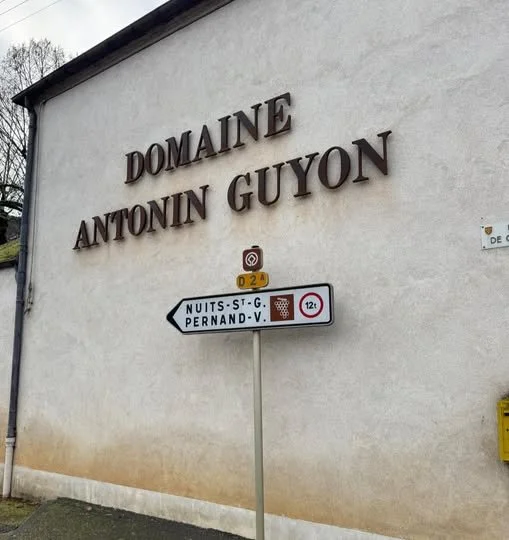
Domaine Antonin Guyon
Savigny-lès-Beaune, Côte d'Or
Availability:
National
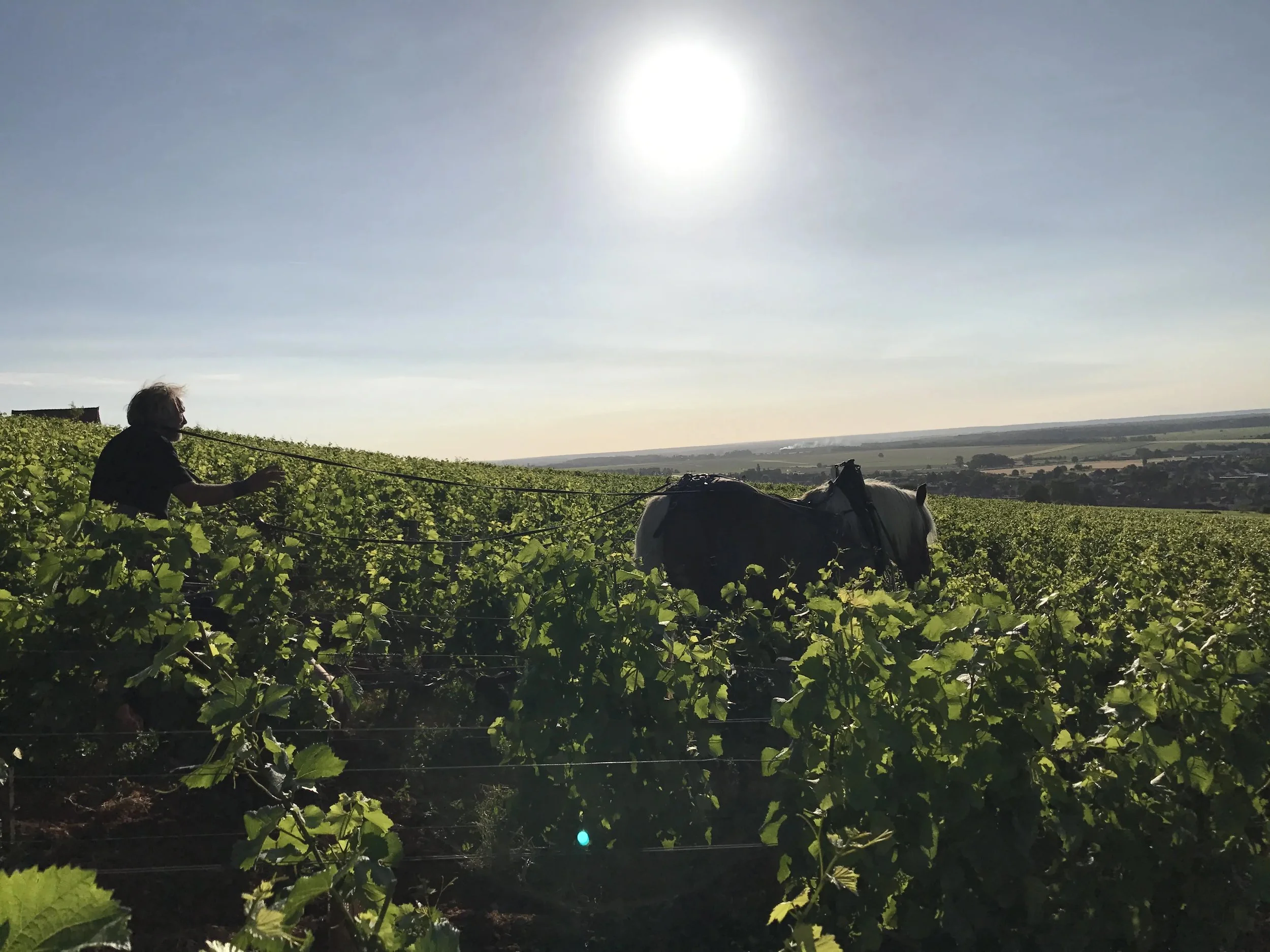
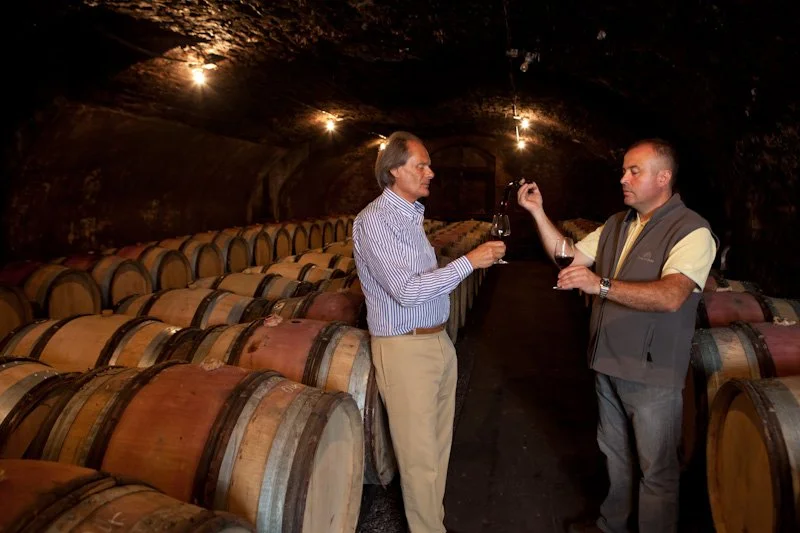
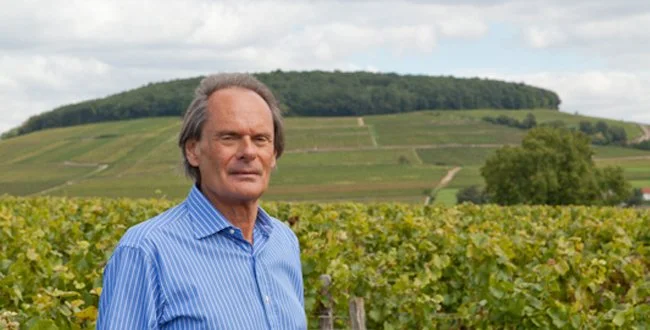
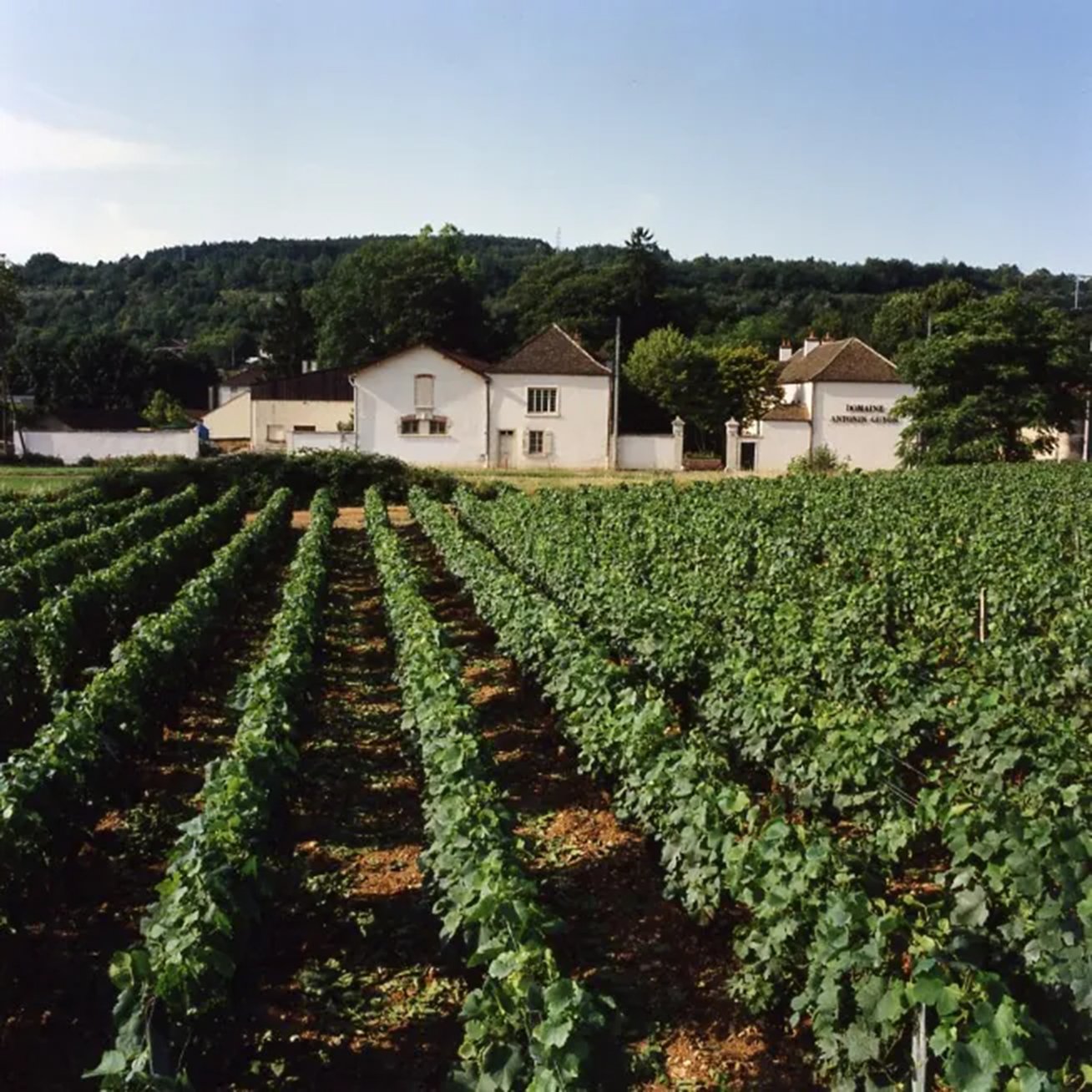
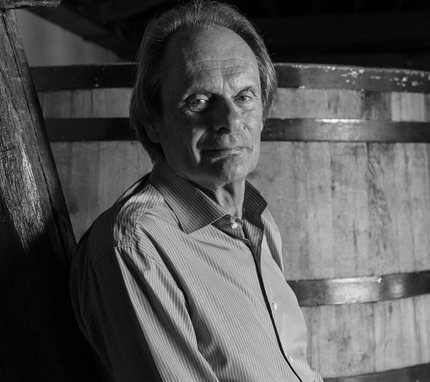
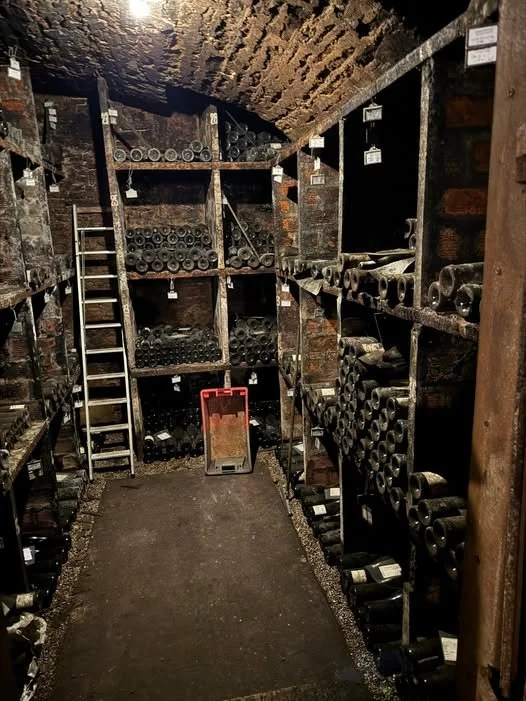
Domaine Antonin Guyon’s vineyard holdings are one of the most comprehensive and thrilling collections in the Côte d’Or.
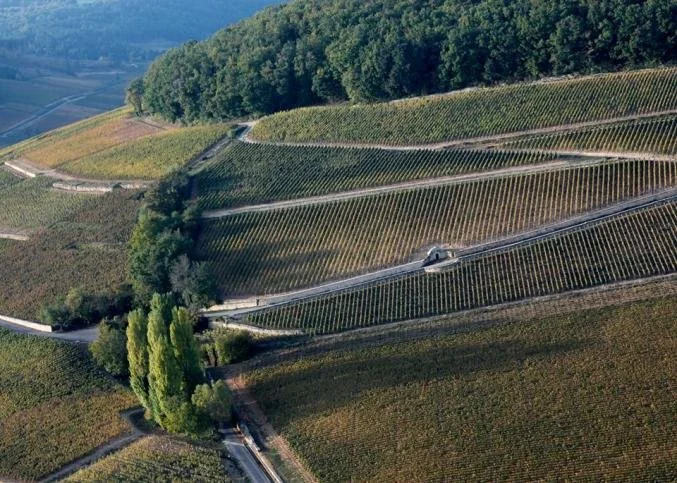
Beginning with Antonin Guyon buying his first vines in the 1960s, the domaine has evolved into a 48-hectare estate spanning 25 appellations, from Gevrey-Chambertin and Chambolle-Musigny in the Côte de Nuits to Meursault and hill of Corton in the Côte de Beaune.
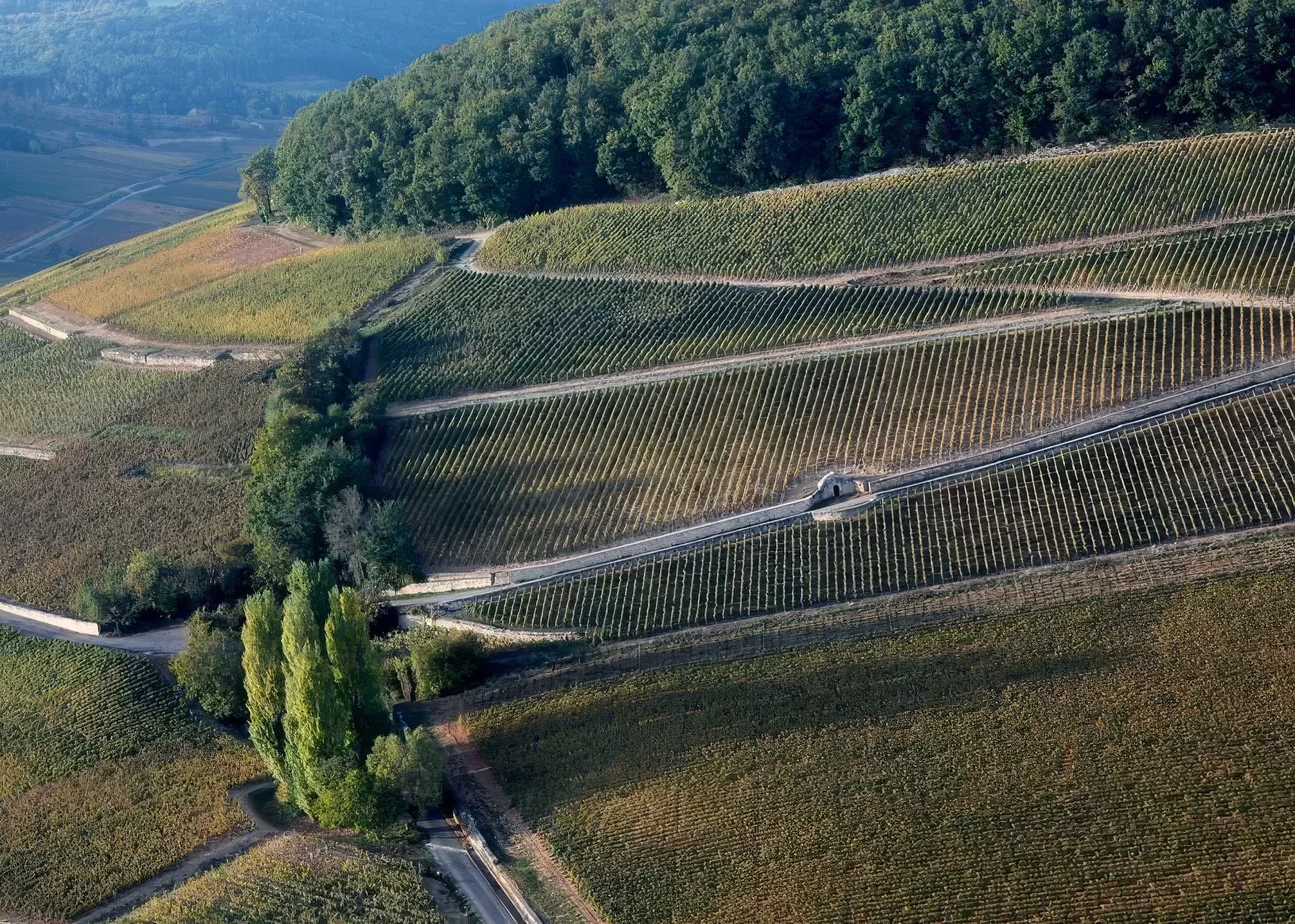
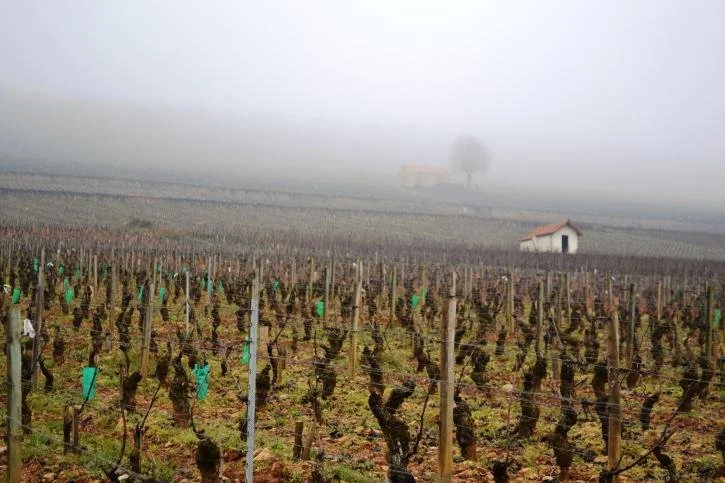
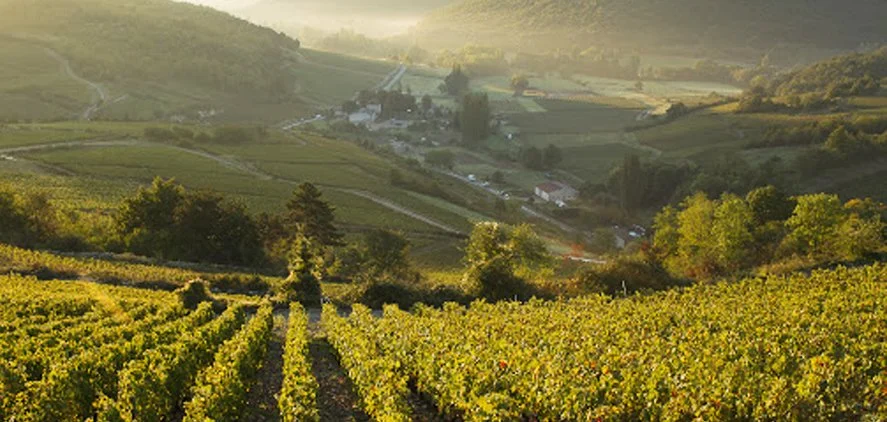
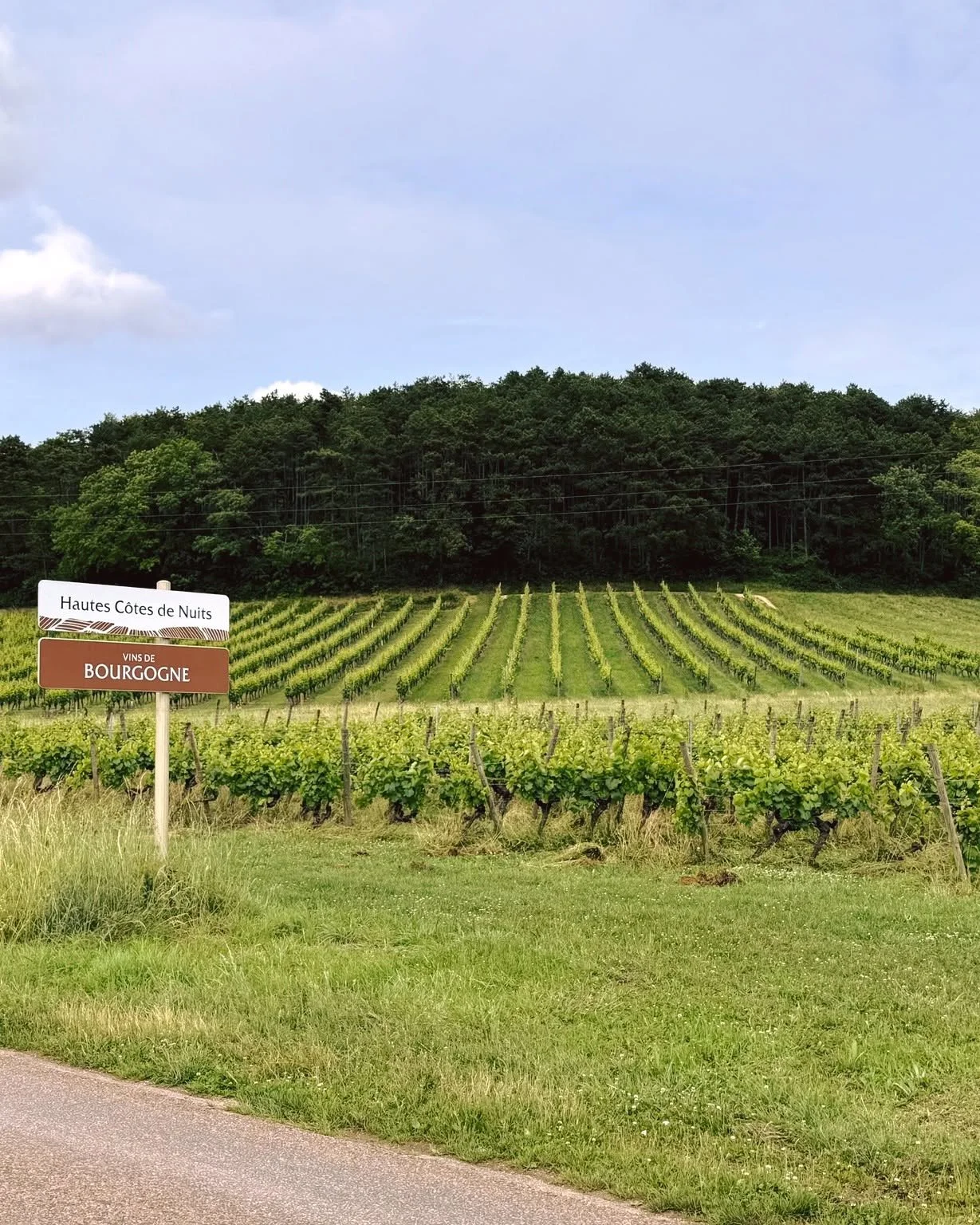
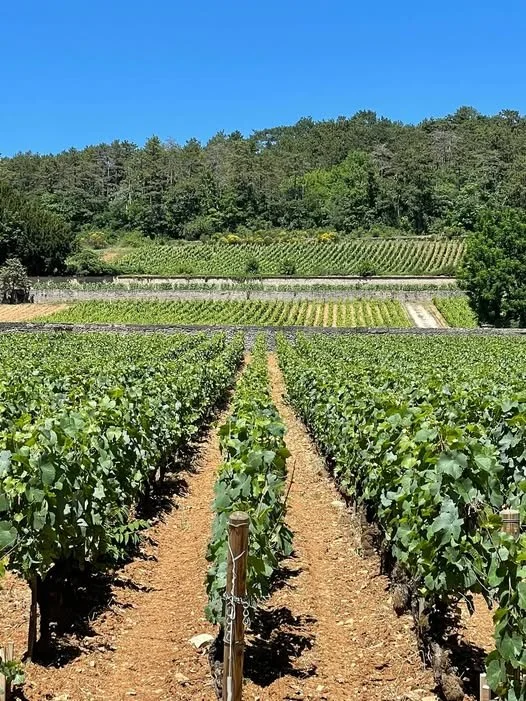
The foundations were laid by Antonin and expanded decisively by his son Dominique. In the Hautes-Côtes de Nuits, Dominique acquired an extraordinary patchwork of some 350 parcels from almost 80 different landowners around Meuilley, eventually assembling 22 hectares of south-facing vines when the Hautes-Côtes was still regarded as something of a backwater. Today, that work looks remarkably prescient. With altitude, limestone soils and a cooler growing season, the Hautes-Côtes has become increasingly important in a changing Burgundy.
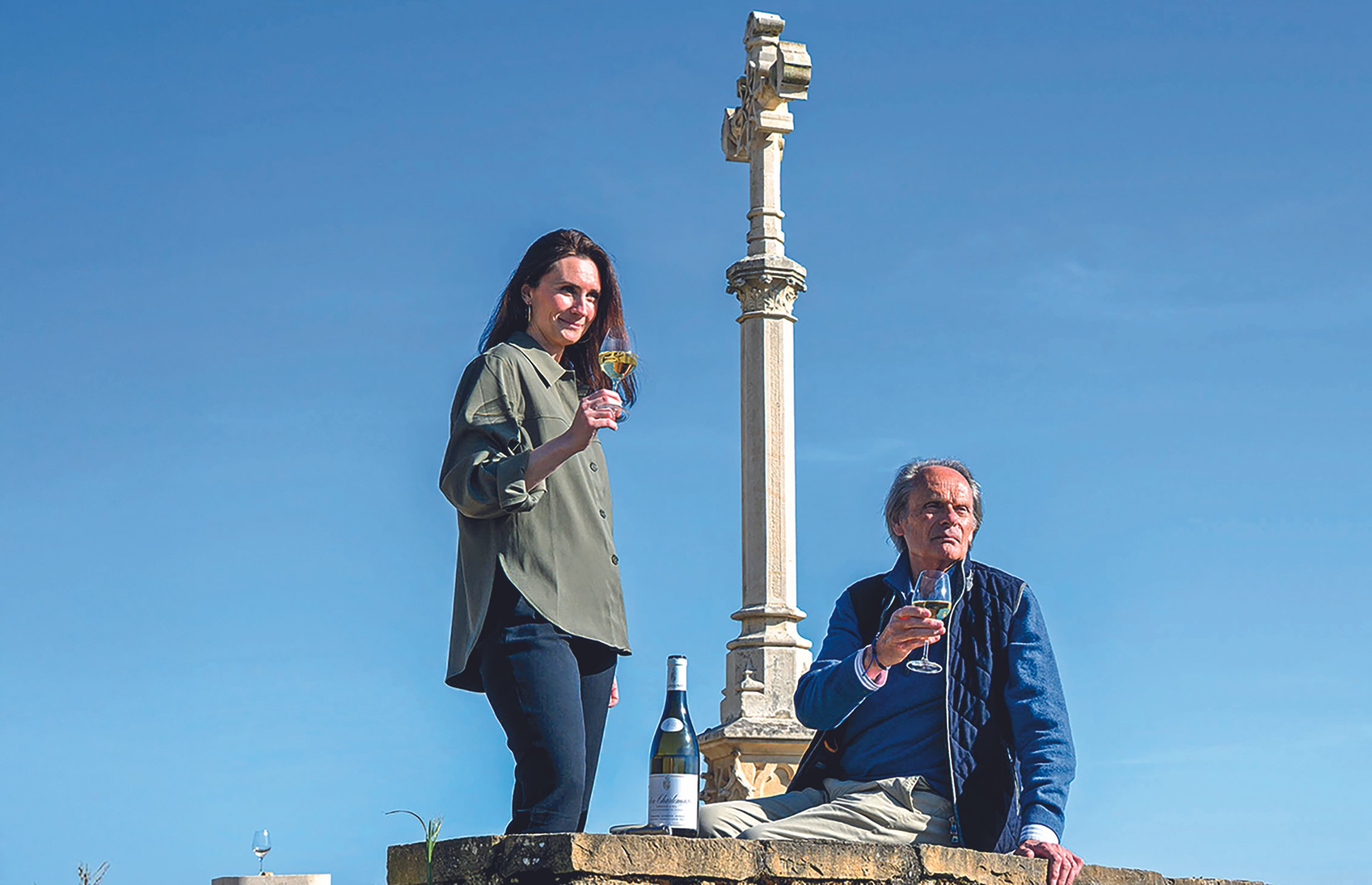
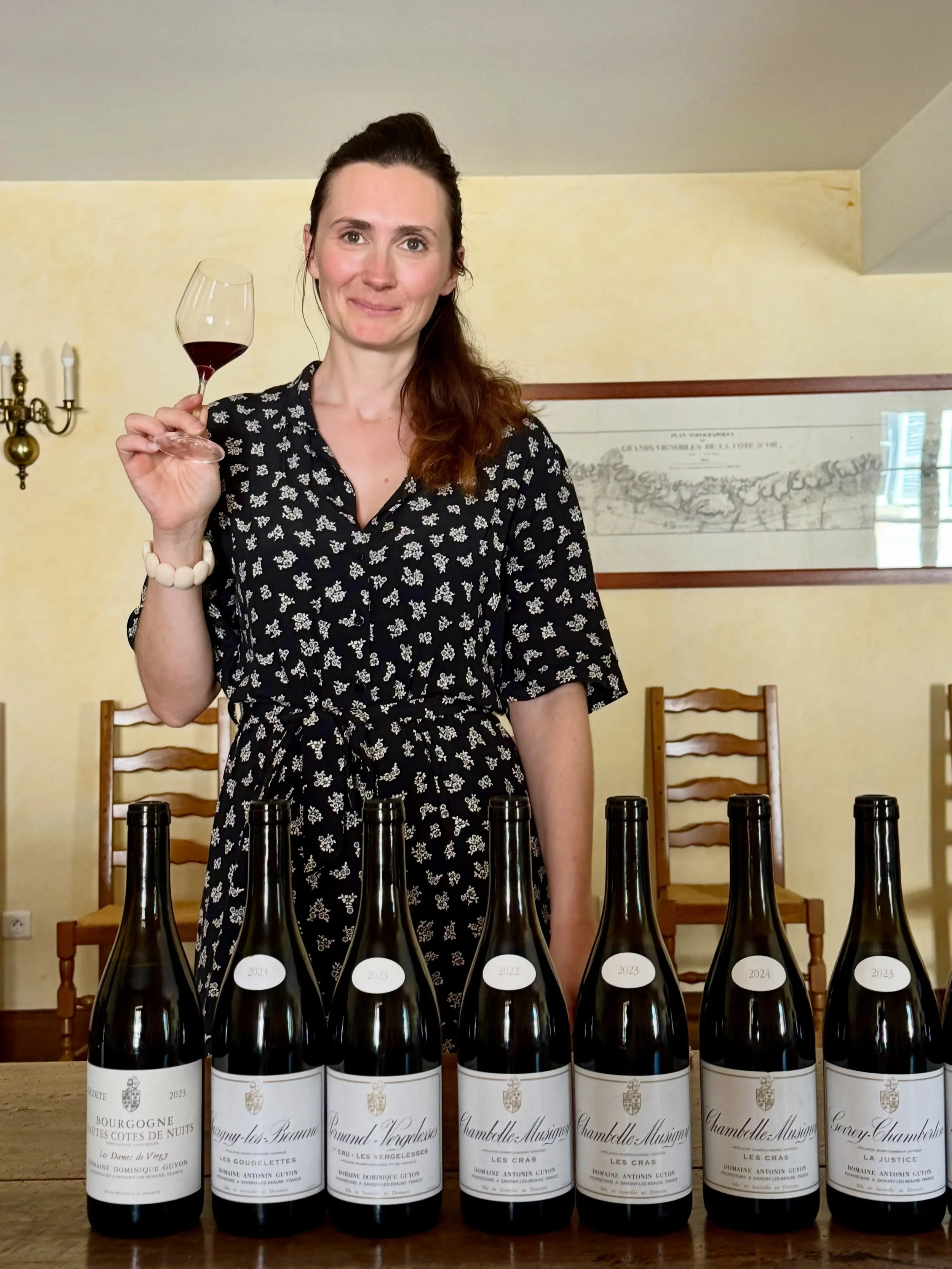
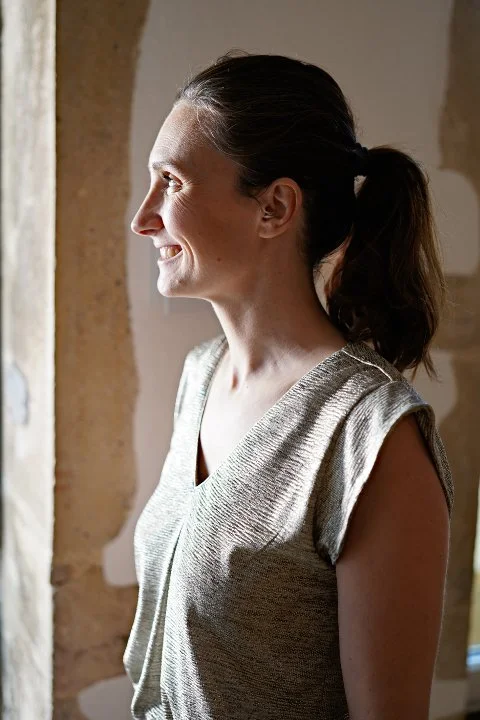
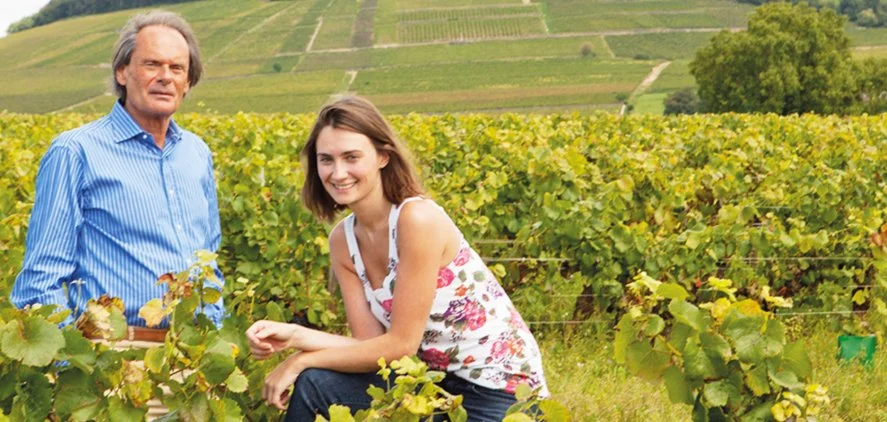
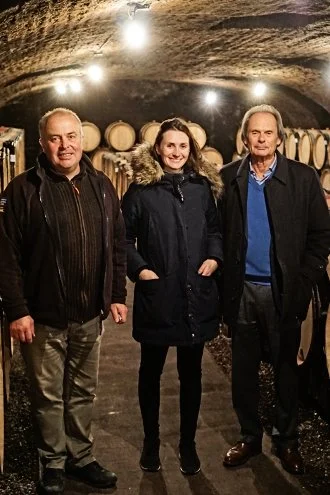
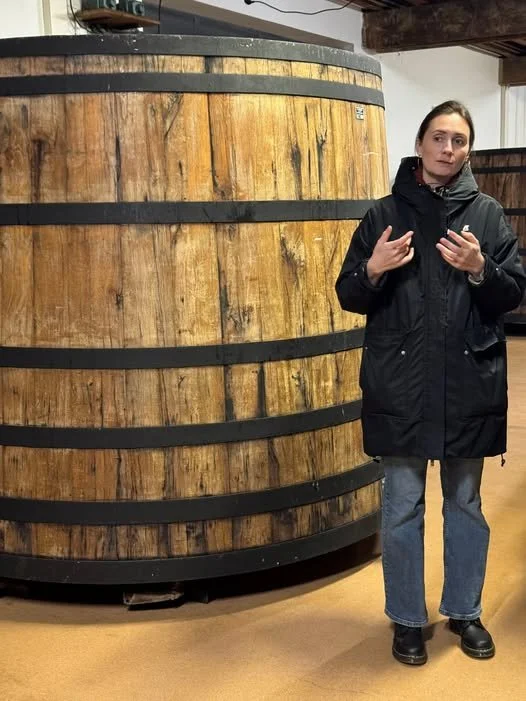
What makes Guyon particularly compelling now, however, is the generational shift currently under way. Hombeline Guyon has returned to the family domaine with a distinctly modern Burgundy sensibility, bringing with her an intimate understanding of the region and a clear conviction that great wine should taste of its vineyard rather than its cellar. Her influence has seen a move towards gentler extraction, greater precision and a more judicious use of new oak, allowing the perfume, structure and energy of each climat to come through with clarity.
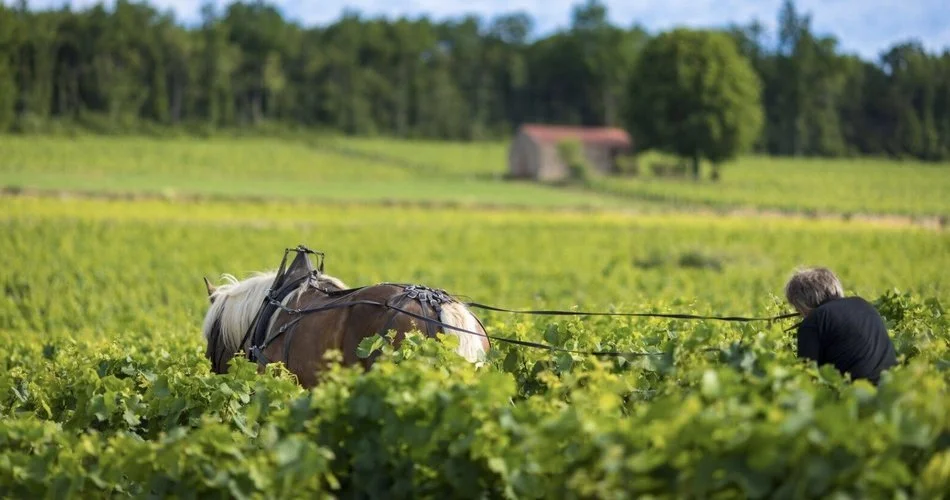
It’s a subtle evolution rather than reinvention. The domaine has been organically certified since 2018, formalising a direction the family had already been moving towards, while the sheer diversity of its holdings provides Hombeline with a remarkable palette of sites to work with. Her role in the campaign that led to Burgundy's climats becoming a UNESCO World Heritage site in 2015 is telling: she is deeply invested not just in making wine in Burgundy, but in understanding and protecting what makes Burgundy's vineyards distinctive.
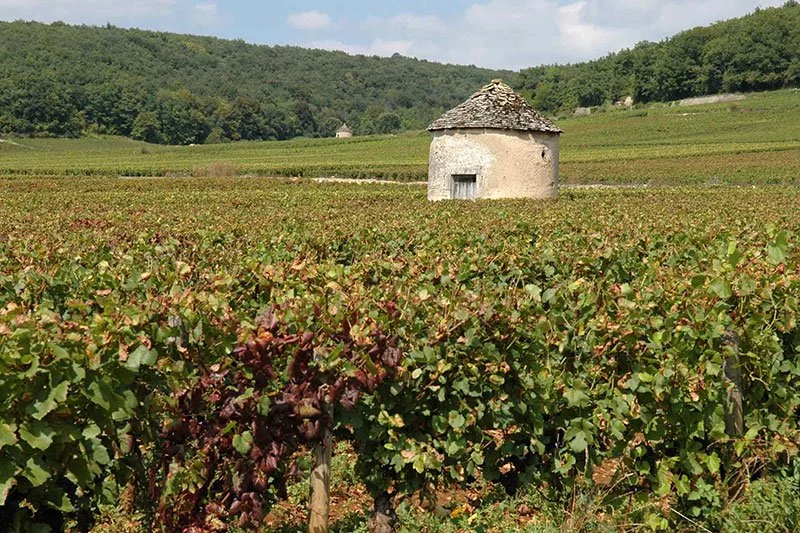
The significance of the domaine's vineyard holdings becomes particularly apparent when tasting across the range. The Guyons work parcels in some of the Côte d’Or’s most highly regarded climats, where differences in exposure, altitude, soil and mesoclimate can be remarkably apparent in the glass. Hombeline’s approach is to preserve those differences rather than homogenise them through extraction or oak. The result is a range that provides a useful study in the hierarchy and personality of Burgundy: the floral delicacy of Chambolle-Musigny, the darker structure of Gevrey-Chambertin, the breadth and power of Corton and the richness and mineral drive of Meursault.
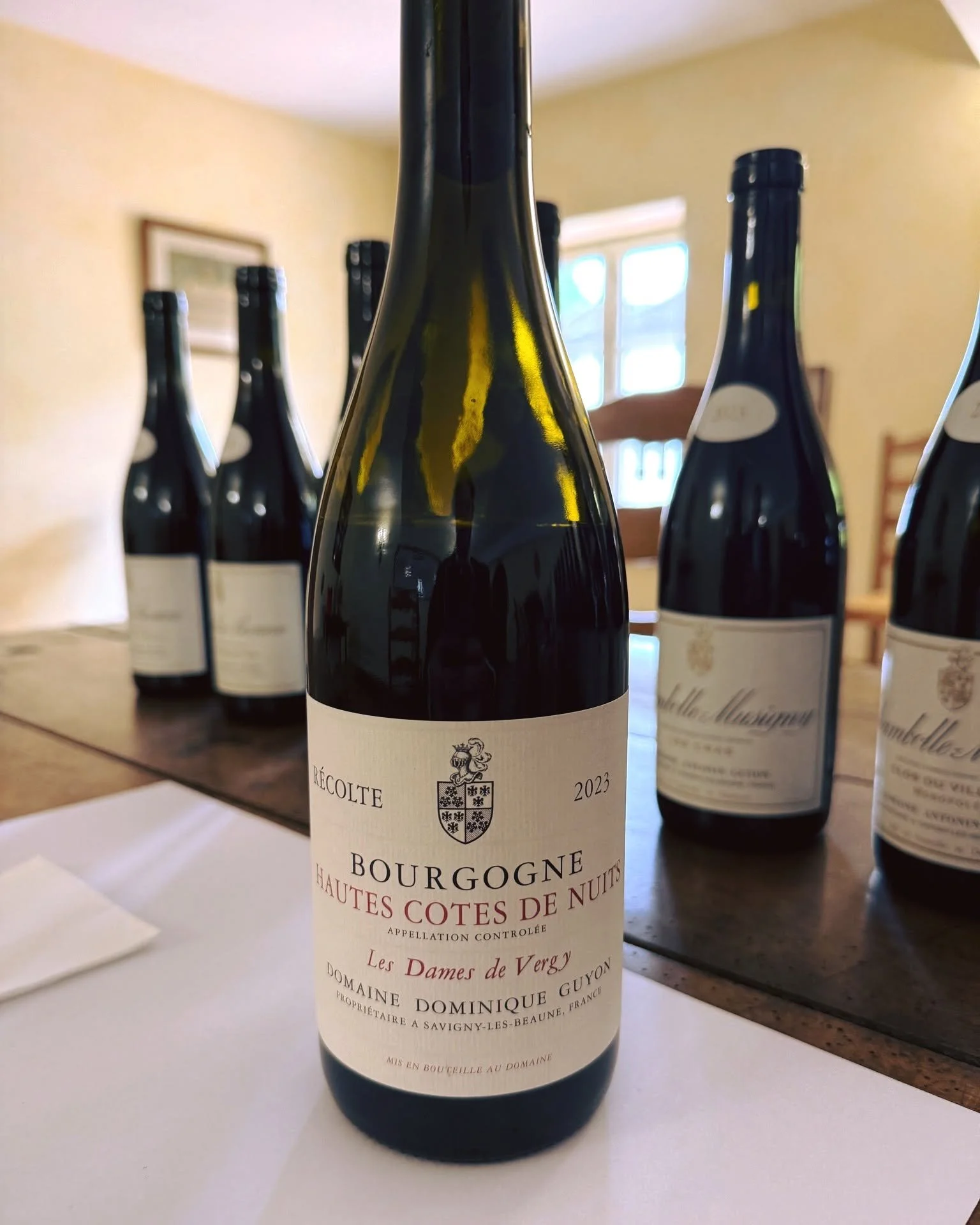
2024 Bourgogne Hautes-Côtes de Nuits ‘Les Dames de Vergy’
Bright, fragrant and immediately inviting, this is Pinot Noir with a distinctly lifted Hautes-Côtes character. Redcurrant, wild strawberry and cherry sit alongside violet and subtle spice, while the palate is supple and energetic, with fine-grained tannins and a refreshing line of acidity. There is generosity without heaviness here, making it an effortlessly drinkable Burgundy with considerably more personality than its appellation might suggest.
The fruit comes from the family’s substantial south-facing Hautes-Côtes de Nuits vineyard at Meuilley, planted on clay-limestone soils. The grapes are hand-harvested and sorted before fermentation in open wooden vats, where the wine undergoes a relatively long maceration with gentle pigeage and temperature control. It is then matured in oak before bottling at the domaine, allowing the naturally bright fruit and freshness of the site to remain at the forefront.
“Savoury, classic Pinot but just lacks the generosity of ripe fruit that we have seen in recent vintages. Quite firm and tannic on the palate. Acidity a little evident and there is a touch of bitterness to the cherry fruit here. But has lots of character and is well priced.”
15.5pts Andy Howard MW, Jancis Robinson.
“Bright red fruit, strawberries, chalk, flowers and wet stones on the nose. Midweight palate with fine-boned tannins, tense acidity and a refined, mineral finish. Sourced from 53-year-old vines, showing lovely depth of flavor while remaining approachable. An excellent value from a difficult vintage with plenty of drive, purity and focus.”
93pts. Ryan Montgomery, James Suckling.
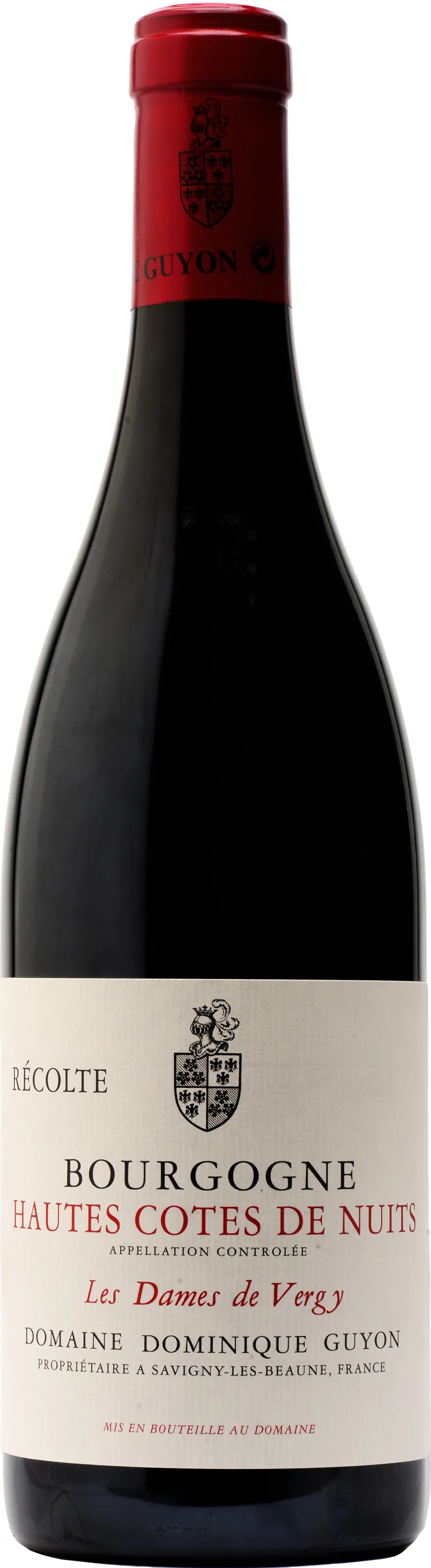
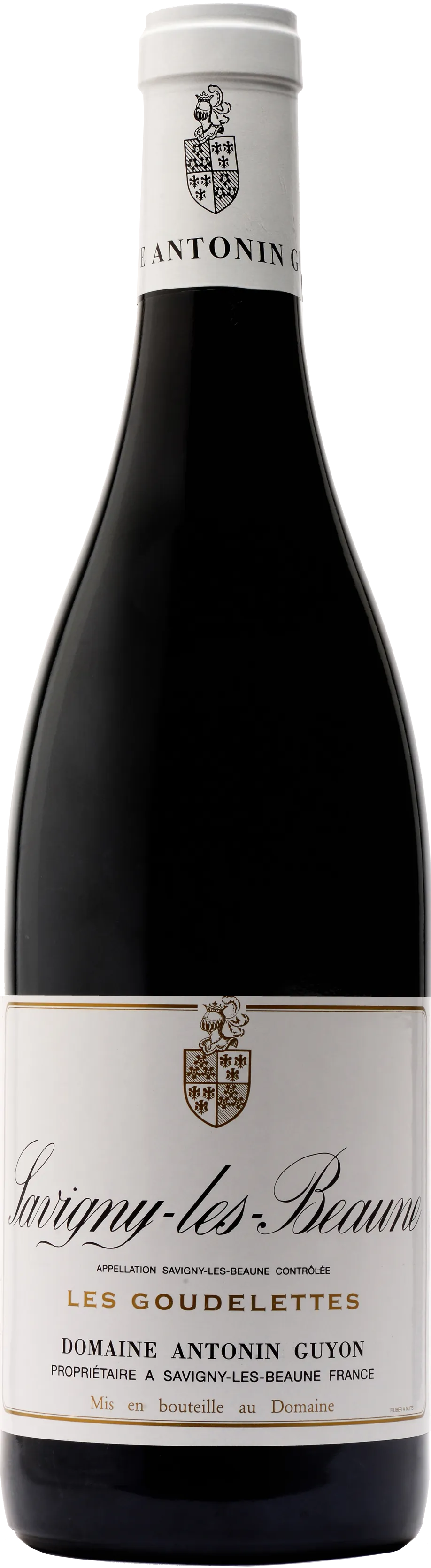
An elegant and beautifully proportioned Savigny, the Les Goudelettes opens with lifted aromas of red cherry, raspberry and wild berries, followed by subtle earthy and floral notes. The palate is fresh and finely textured, with the bright fruit carried by gentle acidity and remarkably fine tannins. There is a lovely balance between generosity and restraint, finishing with a delicate mineral savouriness that makes the wine particularly hard to resist.
The domaine farms 2.13 hectares of Les Goudelettes on clay-limestone soils, planted entirely to Pinot Noir. The fruit is hand-harvested, carried to the cellar in small boxes and rigorously sorted before a long fermentation of around 15 days in open wooden vats. After pigeage and temperature control, the wine is matured in oak with around 15% new wood and bottled at the domaine after approximately 15 months.
“Lovely depth and purity here, showing aromas of dark cherries, rose petals and red summer berries, with a reductive edge bringing flair and lift. The taut palate offers mouthwatering minerality and firm yet focused tannins. Impressive balance of fruit and tension. Delicious. 100% destemmed. Excellent now but age-worthy.”
94pts. Ryan Montgomery, James Suckling.
2024 Savigny-lès-Beaune ‘Les Goudelettes’
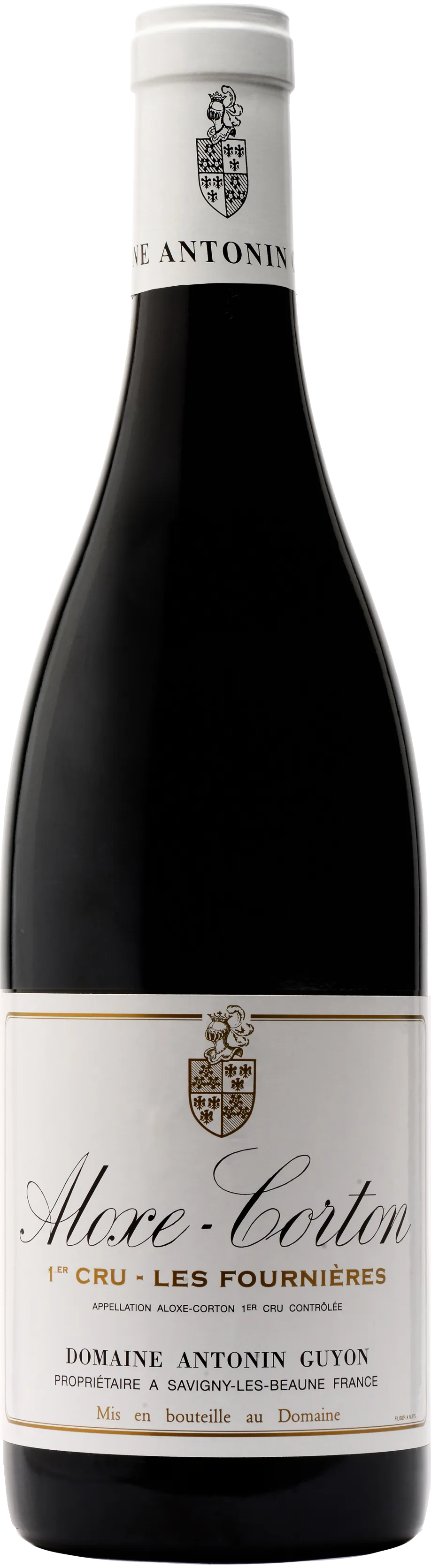
Structured and with considerable depth, Les Fournières shows ripe cherry and blackberry with violet, spice and a subtle earthy character. The palate is obviously rich but finely balanced, with impressive concentration and a firm mineral backbone giving shape to generous fruit. Fine, persistent tannins provide both structure and elegance, while the finish carries a pleasing savoury intensity that promises considerable development with age.
The domaine’s 1.35-hectare parcel is particularly well exposed and planted to 40-year-old Pinot Noir on clay-limestone soils. The fruit is hand-harvested, fully destemmed and fermented for around 20 days in wooden vats with pigeage and careful temperature control. The wine is then matured on fine lees in oak, with around one-third new barrels, before being bottled after approximately 18 months.
“Forward, ripe mulberry fruit aromas, with notes of earth, minerals and spice, lead the way for this delicious Aloxe premier cru. It is less tightly wound than the wines from Corton and more approachable. The grapes are from 1.35ha down the slope from Corton Perrières and Grèves. This will open soon after bottling and should last 10 years in a proper cellar.” 92pts. Charles Curtis MW, Decanter.
“From an underrated village with lovely premier crus. This is one of them. Bright and tense, showing red fruit, flowers and stones with an earthy, savory accent. The palate is focused and precise, delivering vibrant acidity and a refined finish. No hard edges and real depth of flavor from 60-year-old vines. Drinking beautifully now, with plenty of time ahead in the bottle.”
95pts. Ryan Montgomery, James Suckling.
2024 Aloxe-Corton Premier Cru ‘Les Fournières’
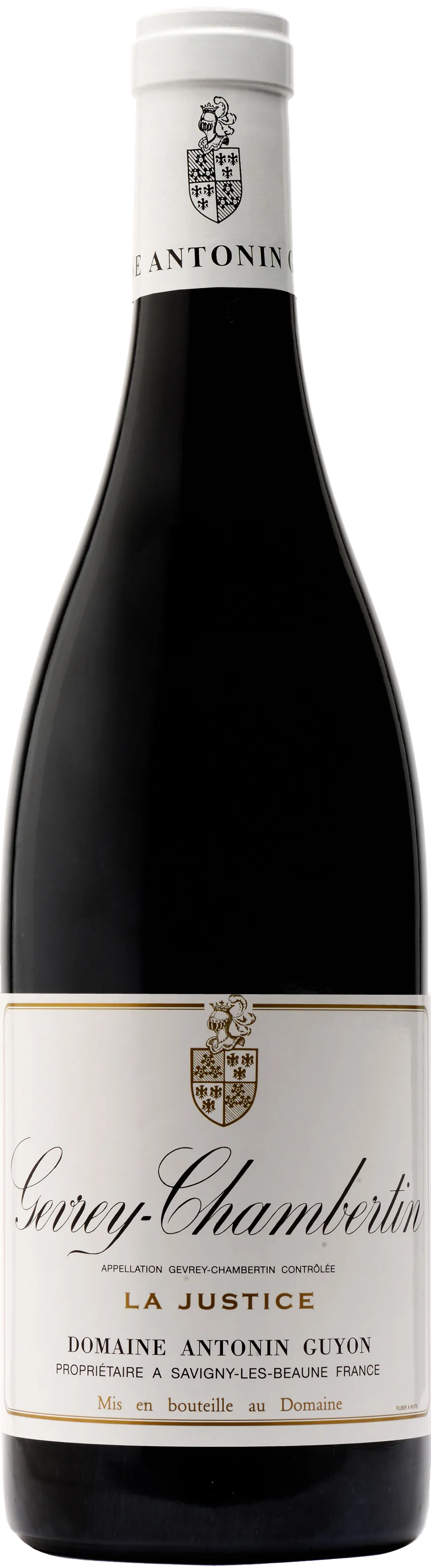
2024 Gevrey-Chambertin ‘La Justice’
Classic Gevrey character expressed with considerable finesse, La Justice combines dark cherry, wild strawberry and plum with earthy spice, violet and a subtle savoury edge. The palate has real presence but avoids heaviness, built around silky yet purposeful tannins and bright acidity. There is a lovely tension between the wine’s richness and its mineral freshness, with a long, gently spicy finish that gives the wine both immediate appeal and room to develop.
The fruit comes from the La Justice climat in Gevrey-Chambertin and is harvested by hand before being carefully sorted at the winery. As with the domaine’s reds, the fruit is vinified in open wooden vats with temperature control and gentle pigeage, followed by extended élevage in oak. Hombeline’s current approach favours a lighter touch in the cellar, with less extraction and restrained new oak designed to preserve the purity and individual character of the vineyard.
“Dark-berry and cherry fruit on the palate. Weighty and persistent. A fine Gevrey-Chambertin that rather belies the difficult growing season. Ready to drink a bit earlier than many, but pure and dark fruit abounds – lots to enjoy from early on.” 16.5pts. Andy Howard MW, Jancis Robinson.
“Enticing clarity and charm with a real sense of harmony, grace and classic Gevrey finesse alongside an underlying earthiness, showing bright berries, wet stones, ferrous earth, flowers and wonderful mineral precision. The palate has a straight line of tension with fine-grained tannins, vibrant acidity and a balanced, focused finish. Excellent now and for decades to come. A pure expression of pinot noir.” 96pts. Ryan Montgomery, James Suckling.
2024 Gevrey-Chambertin ‘La Justice’
Classic Gevrey character expressed with considerable finesse, La Justice combines dark cherry, wild strawberry and plum with earthy spice, violet and a subtle savoury edge. The palate has real presence but avoids heaviness, built around silky yet purposeful tannins and bright acidity. There is a lovely tension between the wine’s richness and its mineral freshness, with a long, gently spicy finish that gives the wine both immediate appeal and room to develop.
The fruit comes from the La Justice climat in Gevrey-Chambertin and is harvested by hand before being carefully sorted at the winery. As with the domaine’s reds, the fruit is vinified in open wooden vats with temperature control and gentle pigeage, followed by extended élevage in oak. Hombeline’s current approach favours a lighter touch in the cellar, with less extraction and restrained new oak designed to preserve the purity and individual character of the vineyard.
“Dark-berry and cherry fruit on the palate. Weighty and persistent. A fine Gevrey-Chambertin that rather belies the difficult growing season. Ready to drink a bit earlier than many, but pure and dark fruit abounds – lots to enjoy from early on.” 16.5pts. Andy Howard MW, Jancis Robinson.
“Enticing clarity and charm with a real sense of harmony, grace and classic Gevrey finesse alongside an underlying earthiness, showing bright berries, wet stones, ferrous earth, flowers and wonderful mineral precision. The palate has a straight line of tension with fine-grained tannins, vibrant acidity and a balanced, focused finish. Excellent now and for decades to come. A pure expression of pinot noir.” 96pts. Ryan Montgomery, James Suckling.
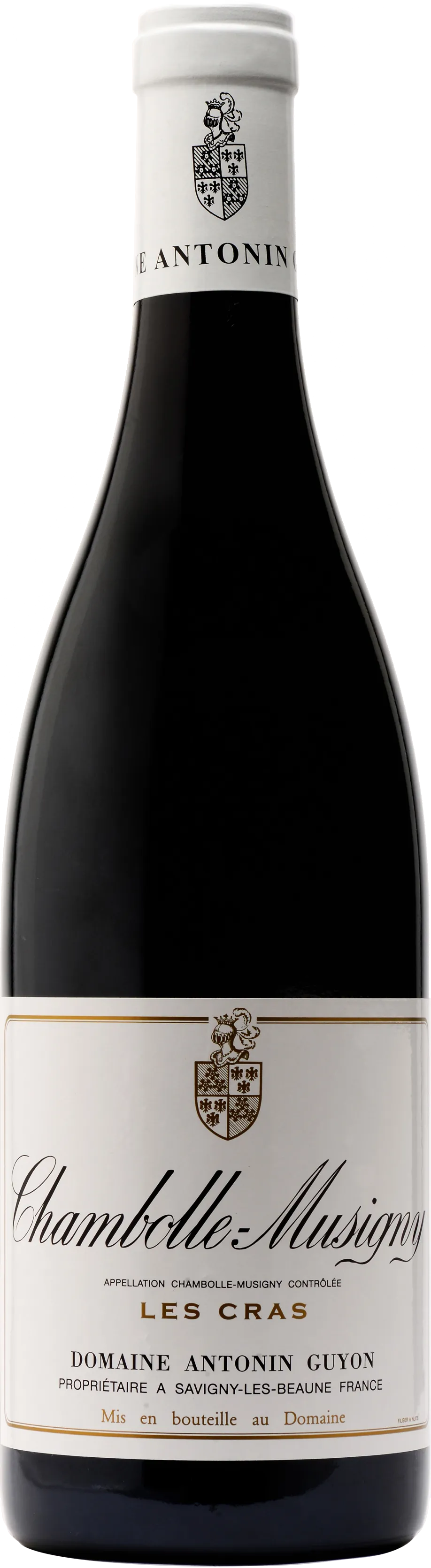
2024 Chambolle-Musigny ‘Les Cras’
Les Cras captures the combination of perfume, richness and mineral tension that makes Chambolle-Musigny so compelling. The nose is layered with ripe cherry, blueberry and violet, alongside subtle spice and a delicate earthy complexity. On the palate it is silky and generous, with beautifully integrated tannins giving shape to the dark-fruited core. Beneath the richness lies a distinctly mineral line, bringing freshness and length to an elegant, quietly powerful finish.
The Guyon parcel lies in the Les Cras climat and is vinified with the same emphasis on precision that defines the domaine’s current direction. Hand-picked fruit is carefully sorted before fermentation in open wooden vats, with temperature control and pigeage preserving aromatic definition while building structure. The wine is then matured in oak for an extended élevage, with the domaine now deliberately moderating the influence of new wood to keep the vineyard character in focus.
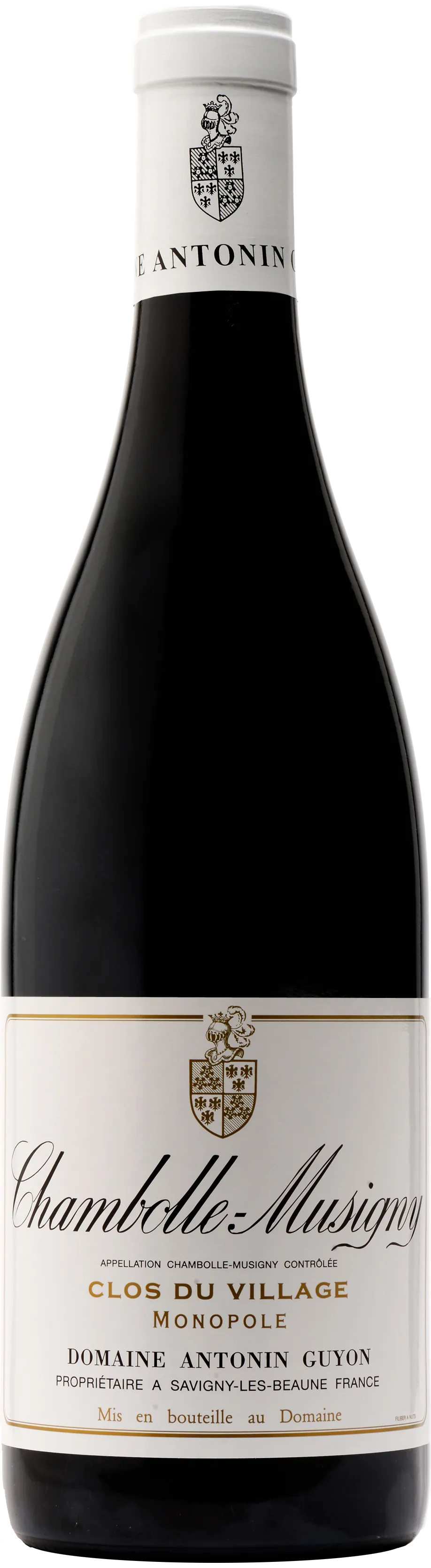
2024 Chambolle-Musigny ‘Clos du Village’ Monopole
The Clos du Village Monopole is one of the estate’s most distinctive wines, combining the perfume and delicacy expected of Chambolle with a deeper, more concentrated expression of its individual site. Ripe cherry and dark berry aromas are layered with violet, liquorice and subtle forest-floor notes, while the palate is rich yet remarkably supple. The tannins are smooth and finely textured, giving the wine an almost effortless sense of depth, with a long finish that balances fruit, spice and mineral freshness.
The wine comes entirely from the domaine’s 0.50-hectare Clos du Village monopole, giving Guyon an unusually direct expression of this particular terroir. The fruit is hand-harvested and sorted before fermentation in open wooden vats, followed by extended élevage in oak. The domaine’s restrained approach to new wood and extraction allows the monopole’s personality to remain central, producing a wine that combines structure and finesse with considerable ageing potential.
“The 2024 Chambolle-Musigny Clos du Village has a lovely bouquet with lilting red berry fruit, with touches of violet and peony. The palate is medium-bodied with fine tannins, a little more weight than the two preceding Gevreys, with a finely tuned finish. This is a success for the vintage and comes recommended.” 89-91pts. Neal Martin, Vinous.
“From a 0.42-ha monopole close to the centre of the village.
A fine Chambolle which has the weight and density of a premier cru. Persistence and concentration allied with sweet fruit and subtle oak. Long, luscious, persistent finish. Drinking well already, this has a long future ahead. Not cheap but worth the price. ” 17+pts. Andy Howard MW, Jancis Robinson.
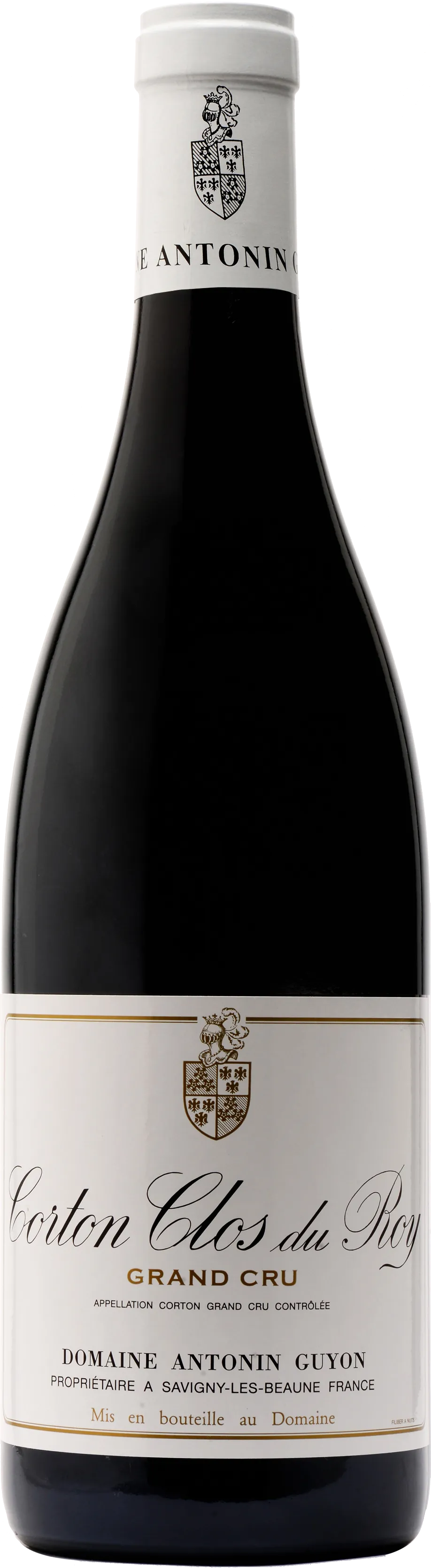
2024 Corton ‘Clos du Roy’ Grand Cru
Clos du Roy shows the more powerful, structured side of Corton, combining dark fruit, spice and mineral depth with the finesse that has become increasingly evident in Guyon’s wines. The nose is layered with black cherry, red berries and wild fruit, alongside violet, spice and a subtle earthy complexity. The palate is deep and concentrated but finely textured, with firm, polished tannins giving shape to the fruit. A savoury, mineral thread runs beneath the richness, bringing freshness and definition through to a long, quietly powerful finish.
The Guyon parcel covers 0.55 hectares of clay and limestone on the Corton hill, with the vines benefiting from a well-exposed position. Hand-picked fruit is sorted at the cuverie before a long fermentation in open wooden vats, with temperature control and pigeage building depth while preserving definition. The wine is then matured in French oak for around 18 months, with the domaine increasingly moderating new oak to allow the character of the vineyard to come through.
“Delicate yet discreetly powerful and enticing, offering aromas of red berries, citrus peel, stones and cherries. The palate is full and luscious, with bright acidity, fine-tuned tannins and a fruit-driven finish. A classic Grand Cru from 90-year-old vines, showing class, minerality and complexity with an underlying generosity that will evolve for decades to come. Exceptional.”
97pts. Ryan Montgomery, James Suckling.
“This satisfying wine, like the Bressandes from the same cellar, was initially a bit closed, but opened with time on the palate to show ripe, nuanced black and red berry fruit characters. There is more density and firmer tannins that carry the wine to a lingering finish. The grapes are from 0.55ha at the base of the Clos du Roi site, a richer soil that provides a more substantial wine.”
93pts. Natalie Earl, Decanter.
“The 2024 Corton Clos du Roy Grand Cru does not quite have the nuance of the Corton-Bressandes, a little high-toned. The palate is medium-bodied with a light grip, the tannins not quite as filigree but there is satisfying depth on the finish. Give it a year in bottle as there is just a patina of oak to be subsumed.” 90-92pts. Neal Martin, Vinous.
“Plenty of concentration allied to the purity and drive of bright red-berry fruits. Just a little astringent on the palate at the moment but this will be cleaned up when bottled. Persistent finish. Give this a few years and there will be lots to enjoy.” 17++pts. Andy Howard, Jancis Robinson.
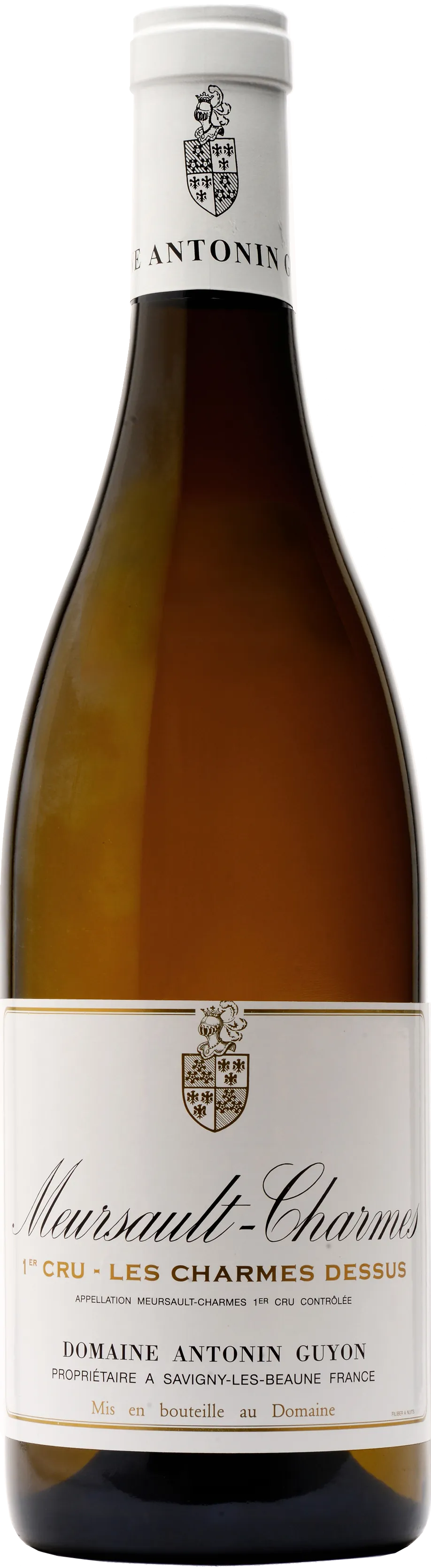
2024 Meursault-Charmes Premier Cru
‘Les Charmes Dessus’
A Meursault of significant composure and depth, expressing a richness expected of 1er Cru Burgundy with deft mineral precision.
White peach, yellow fruit and citrus are layered with fresh almond, subtle floral notes and a gentle savoury salinity. The palate is creamy and textural, but never heavy, with bright acidity providing lift and definition through to a long, persistent finish marked by citrus, mineral and delicate toasted almond nuance.
The Chardonnay is pressed as whole berries before clarification and fermentation entirely in barrel. The wine remains on its fine lees with regular bâtonnage, building texture and complexity while retaining freshness. It is generally bottled after around 12 months, with the domaine’s broader approach favouring restraint in new oak, allowing the characteristic richness, minerality and freshness of Charmes Dessus to remain clearly defined.
“No mistaking the typical generosity of Meursault with a richer, ripe edge to the yellow-peach/apricot fruit. Cut with crisp acidity, notes of orange rind – a hint of botrytis? Structured, should age well and ideally needs 12–24 months before broaching.”
16.5+pts. Andy Howard, Jancis Robinson.
“Lovely depth and purity here, showing all the muscle and charm of Meursault with none of the fat. Citrus, nuts, pastry and wet stones sit alongside a reductive edge. The palate is full and rounded, with nervy acidity and mouthwatering minerality cutting through the richness. A superb wine from 60-year-old vines with plenty of underlying power.”
97pts. Ryan Montgomery, James Suckling.
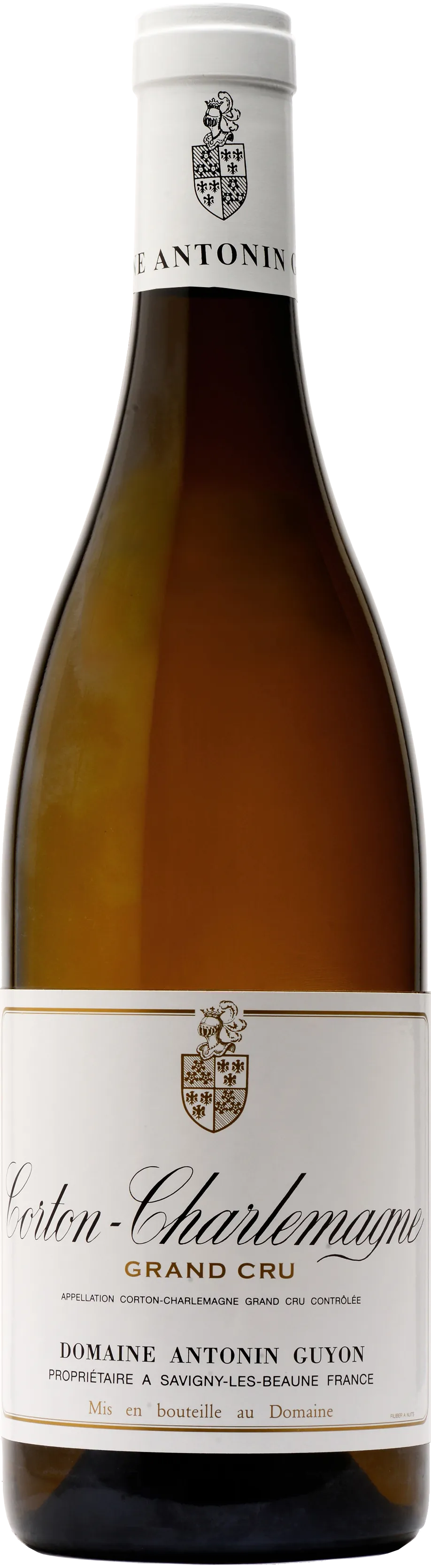
2024 Corton-Charlemagne Grand Cru
One of the great whites of the Côte d’Or, Corton-Charlemagne combines power, richness and mineral authority in a wine that unfolds slowly in the glass. The nose is layered with white and yellow peach, citrus, acacia blossom and discreet spice, while the palate is broad and concentrated but held firmly by vibrant acidity. Fine mineral tension runs beneath the ripe fruit, with subtle toasted and nutty notes building through the finish. Powerful yet precise, this is a wine of serious structure and remarkable ageing potential.
The domaine’s 0.87-hectare holding is divided between three distinct parts of the Grand Cru, with 25% in Les Renardes, 50% in En Charlemagne and 25% in Le Charlemagne. The grapes are whole-berry pressed before clarification and fermentation in barrel, followed by maturation on the fine lees with regular bâtonnage. Corton-Charlemagne receives the longest élevage in the range, around 18 months, allowing its considerable structure and mineral complexity to develop before bottling at the domaine.
“What a wine, with all the intensity and flesh of Corton, showing real depth of flavor from 70-year-old vines. Reduction with layers of Sicilian lemons, salted nuts, white flowers, pastry, chalk and wet stones. Striking, nervy acidity cuts through the full, rounded palate. An impressive balance of power, tension and precision. Grand Cru at the highest level.”
98pts. Ryan Montgomery, James Suckling.
“Luminous lime nose. Rich and spicy palate with energy and lift, linear and racy zesty acidity and classic Corton austerity. Long and lively.”
92pts. Decanter.
“Classic Corton-Charlemagne with the ripeness and density of a top grand cru. Confit-orange notes, zesty, balanced with pebbly, stony, character to finish. Touch of lime zest. Great structure and persistence on the palate. Very fine and will age beautifully for many years. Extremely long finish – savoury, lingering, top-class.”
17.5++. Andy Howard MW, Jancis Robinson.
2024 Meursault-Charmes Premier Cru
‘Les Charmes Dessus’
A Meursault of significant composure and depth, expressing a richness expected of 1er Cru Burgundy with deft mineral precision.
White peach, yellow fruit and citrus are layered with fresh almond, subtle floral notes and a gentle savoury salinity. The palate is creamy and textural, but never heavy, with bright acidity providing lift and definition through to a long, persistent finish marked by citrus, mineral and delicate toasted almond nuance.
The Chardonnay is pressed as whole berries before clarification and fermentation entirely in barrel. The wine remains on its fine lees with regular bâtonnage, building texture and complexity while retaining freshness. It is generally bottled after around 12 months, with the domaine’s broader approach favouring restraint in new oak, allowing the characteristic richness, minerality and freshness of Charmes Dessus to remain clearly defined.
“No mistaking the typical generosity of Meursault with a richer, ripe edge to the yellow-peach/apricot fruit. Cut with crisp acidity, notes of orange rind – a hint of botrytis? Structured, should age well and ideally needs 12–24 months before broaching.”
16.5+pts. Andy Howard, Jancis Robinson.
“Lovely depth and purity here, showing all the muscle and charm of Meursault with none of the fat. Citrus, nuts, pastry and wet stones sit alongside a reductive edge. The palate is full and rounded, with nervy acidity and mouthwatering minerality cutting through the richness. A superb wine from 60-year-old vines with plenty of underlying power.”
97pts. Ryan Montgomery, James Suckling.