
Sven Joschke
Barossa Valley, South Australia
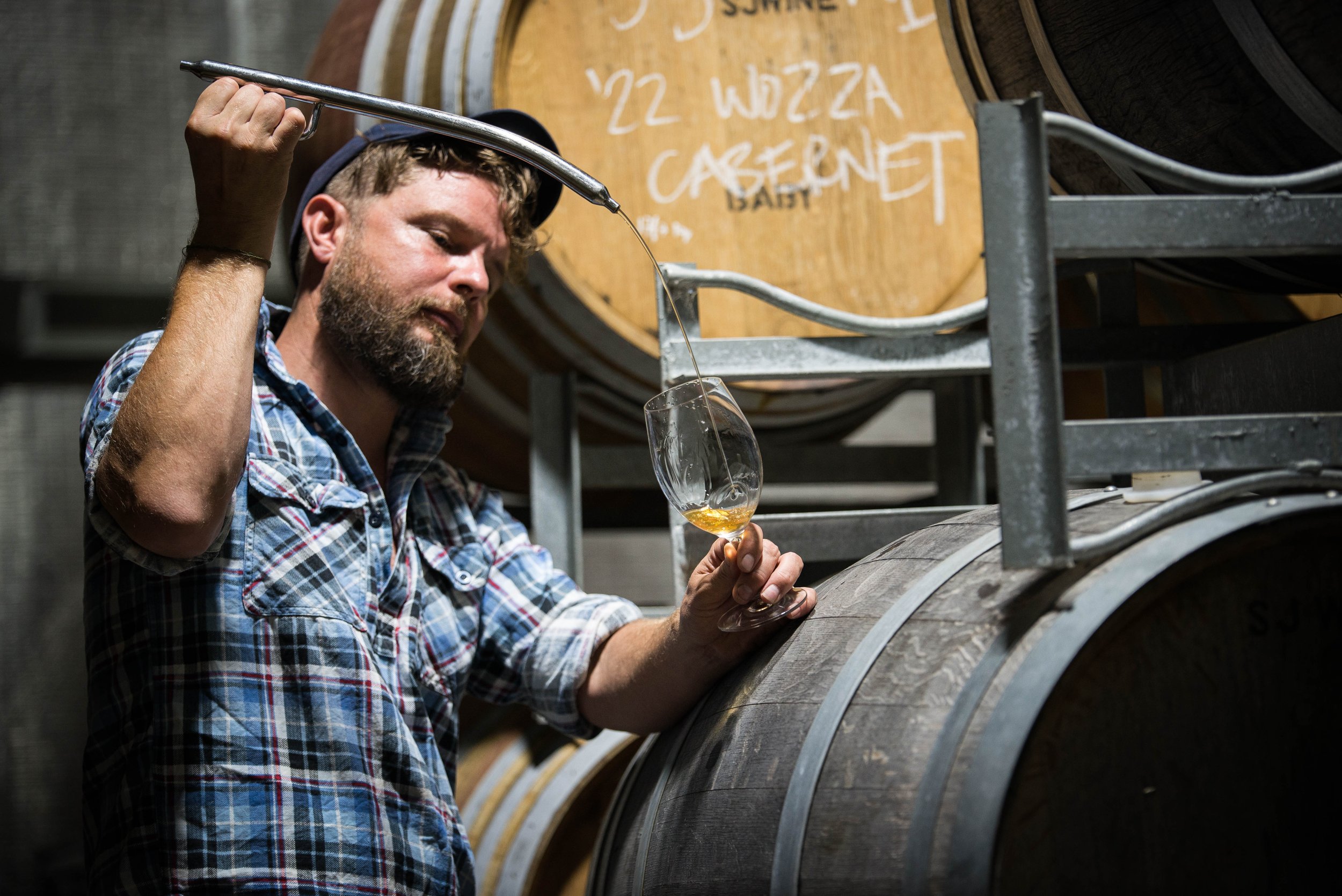
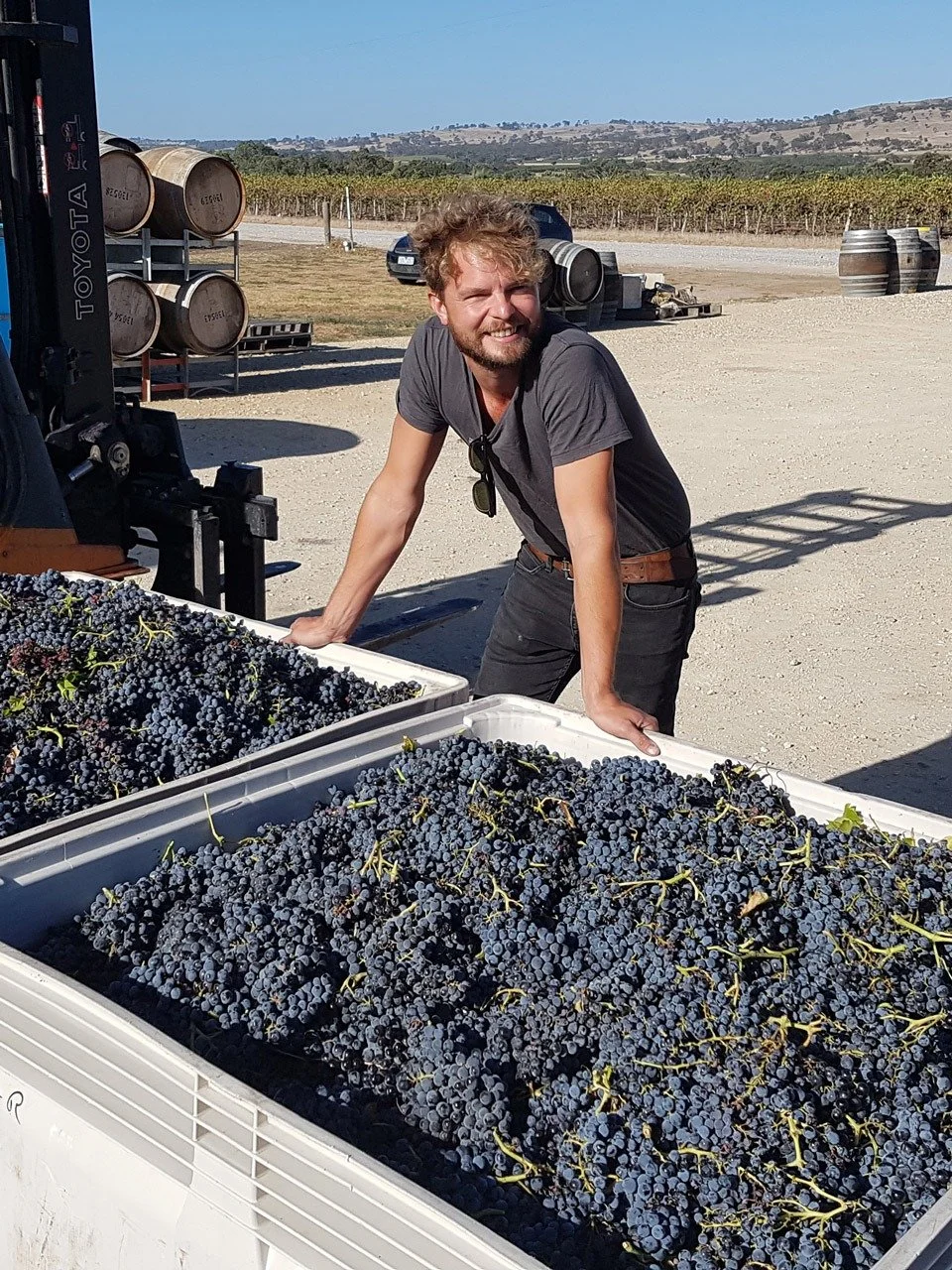
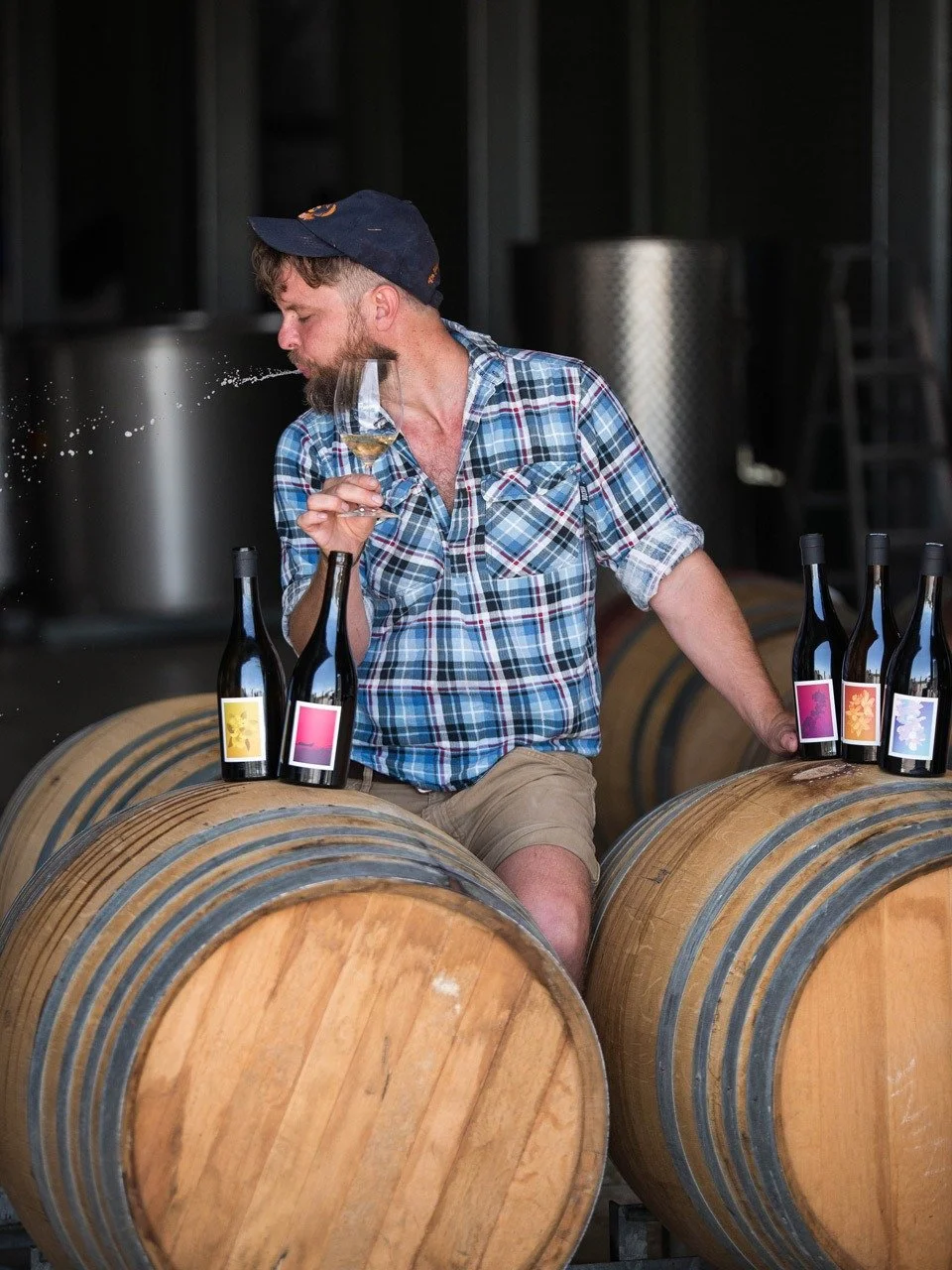
Heavily influenced by new-wave European styles - especially the crisp reds and whites of the Jura where he worked alongside Marin Fumey of Fumey-Chatelain - these are contemporary (predominantly) Barossa bottling of real elegance. Much of Sven’s deft touch can also be attributed to his vintages alongside Pete Schell (Spinifex) and Jason Schwarz (Schwarz Wine Co) where he learnt that Barossa does not necessarily need to be synonymous with high extraction or alcohol.
Not feeling the need to confine his range to one region, in true negociant style Sven seeks fruit from the cooler Adelaide Hills for his electric Chardonnay, Langhorne Creek for one of Australia’s finest and most sought-after Sangioveses, and the Jura itself for a very special oxidative white in some vintages. These, along with a swathe of yet-to-be-announced barrel projects form a compelling and exciting new opportunity for Vinify.
Assisted by his friend turned business partner, ex Movida head somm Andrew Marshall who lends more than just a stylistic hand, Sven and his label are simply the real deal.
-
SA, VIC, NSW & TAS

2023 Chardonnay Pet Nat
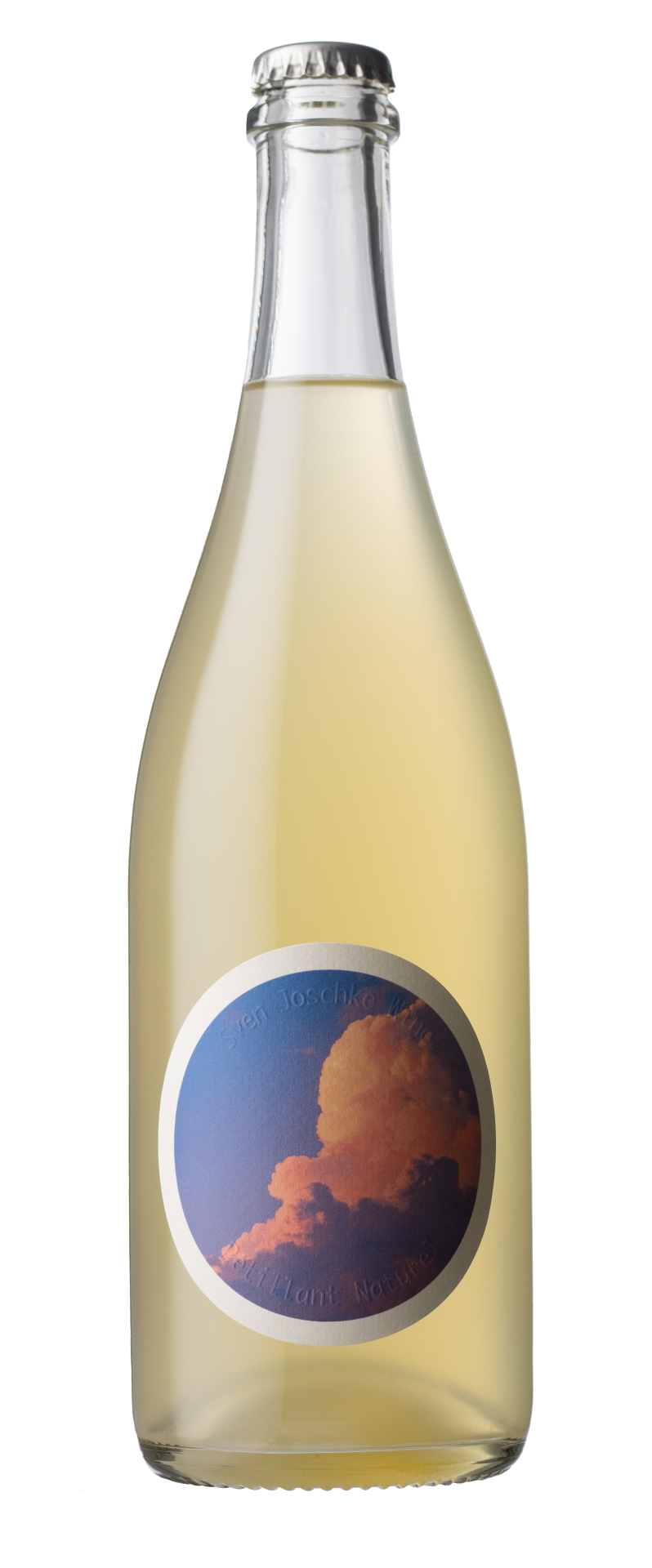
After playing around with Chardonnay from the Barossa in V21 as a test run, Sven had to put it into a Pet Nat. It showed linear acidity and minerality with that classic Chardonnay depth.
Winemaking
Fruit was picked at 10.9 baumé, super low pH. It was immediately bag pressed and chilled to facilitate settling of solids. It was fermented in tank at controlled temperature, with a component of non-fermented juice kept separate for post fermentation dosage. Juice was then added back to the base wine once settled, bottled and allowed to ferment in bottle. No additions, fining or sulphites, just the juice.
Tasting Notes
This pops with a limonata citrus freshness, yellow grapefruit and green apple. Not a complex wine, this is nevertheless a very clean Pet Nat, pithy and leesy in the right places and a fresh whip of acid to finish.

2024 Chardonnay 'La Justina’
Sven believes he's finally found his long-term “forever” Chardonnay site at Balhannah in the central-northern part of the Adelaide Hills. Here, half the block is clone 76 and half clone 95, planted on a mix of sandstone, siltstone and shale soils, all managed organically
Winemaking
Fruit handpicked and direct pressed. Cold settled, racked to 3rd and 4th use puncheons for barrel fermentation. Minimal lees stirring retain floral notes, delicacy and balance. Lees maturation 11 months before bottling unfined and unfiltered. Wild fermented with zero adds apart from minimal SO2 on bottling.
Tasting Notes
Cashew nut meets nectarine aromats, lush and full stone fruit, orange peel zest... driving Adelaide Hills acidity. Eat with rich cheese, fat fleshy fish and roast chicken.
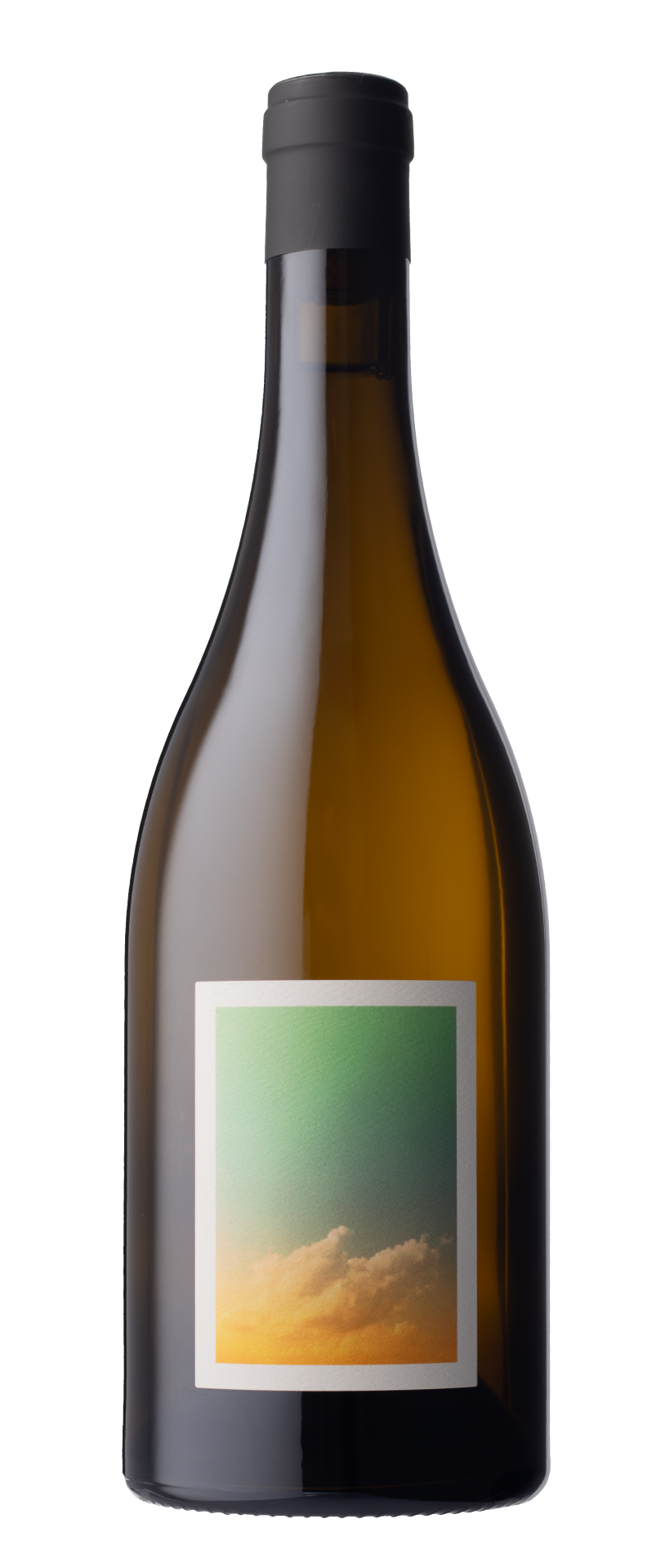
2025 Chardonnay ‘Lu Lu’
Buttery oak meets medium weight and minerality. A richly textured yet balanced Chardonnay that draws subtle inspiration from the Jura.
Winemaking
Fruit from 22-year-old Bernard 76 vines is barrel-fermented and matured for eight months with regular bâtonnage, achieving both depth and freshness. Nougat, apricot, and stone fruit tones are underpinned by mineral tension and gentle oxidative nuance, creating a wine that feels both familiar and quietly complex.
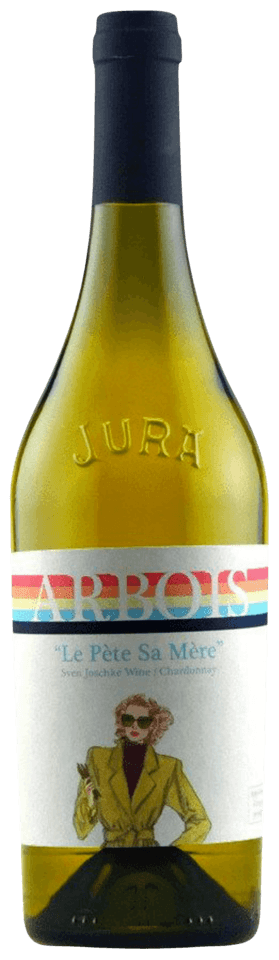
2018 Chardonnay ‘La Pete Sa Mere’ (Arbois, France)
Perhaps the first Jura Chardonnay made by an Australian and sent back to Australia.
During his South Australian winemaking tenure, Sven Joschke struck up a friendship with young Jura vigneron, Marin Fumey, of Fumey Chatelain, which happens to be part of Vinify portfolio. While Marin was working at Spinifex, he spent some time helping Sven out. Sven returned the favour with a vintage in the Jura. He produced a Chardonnay that spent two years in bottle before release.
Winemaking
Beautiful Jura Chardonnay fruit, naturally ferment with only a touch of minimal sulphur at bottling. Whole berries were left to macerate for 6 days in a cool room, pressed to a milk vat to chill, racked and left to ferment in fiberglass tank. The wine sat on fine lees for a year, before racking and bottling.
Tasting Notes
Not strictly a yellow wine, nor is it cloudy, it has a beautiful golden colour with ripe apricots, short bread pastry, a lovely saline and smoky minerality that the region is famous for. Plenty of mouth feel too.
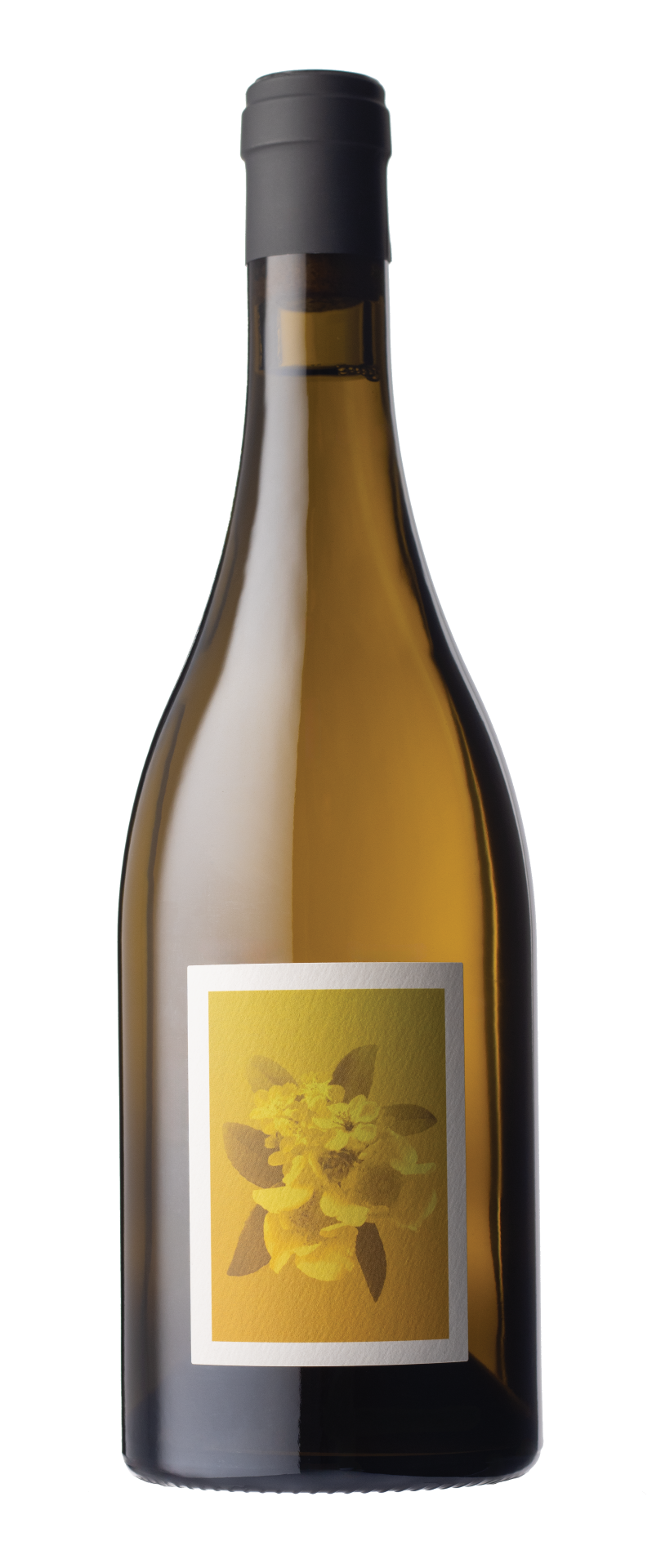
2023 Fume Blanc ‘La Gabriella’
A warmer ripening season favoured the Savvy site and suited Sven’s oak treatment to achieve the ‘Fumé’ style.
Winemaking
100% oak and lees work really drew out all the Sauvignon Blanc goodness. It has no skin contact and was directly pressed, cold settled over night and racked to barrel for fermentation. It received no batonnage, to keep things a little tighter, and only a little lees influence from the bottom of the barrel.
Tasting Notes
Drips with golden honey, marmalade and kaffir lime.
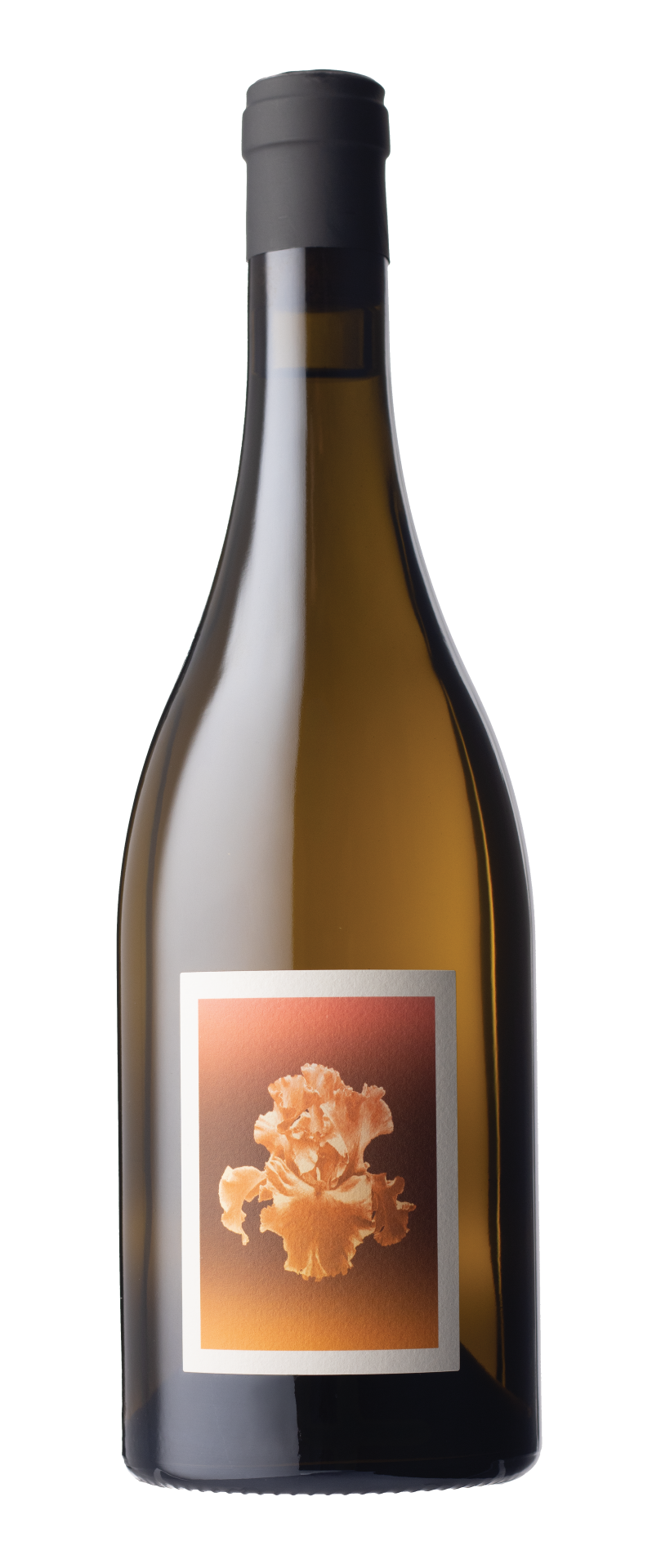
2023 Viognier ‘La Elizabeth’
This wine is destined for cheese and charcuterie hour. The fruit comes from the Yetti on the Valley floor. Sven gets first dibs on this one and therefore, this is the first pick of the season. Super low V24 yields meant concentration is high. The fruit was picked at a tender baumé of 11, which kept the acid tight.
Winemaking
Taking note of what worked from previous years and keeping things experimental, we pulled the fruit off earlier. The fruit was de-stemmed, pressed, settled and partially barrel fermented in second use oak, and the remaining in tank. It had no lees work, but elements of brioche’ie fine lees come through in the finished wine.
Tasting Notes
A variety from another era, but a wine that’s right up with the now. Yes, every typical varietal note applies, apricot, yoghurt, orange candies and marmalade, but it carries a tension and perkiness about it. Full bodied and a touch oily, the texture is carried by a frame of grippy tannins and nimble acidity.
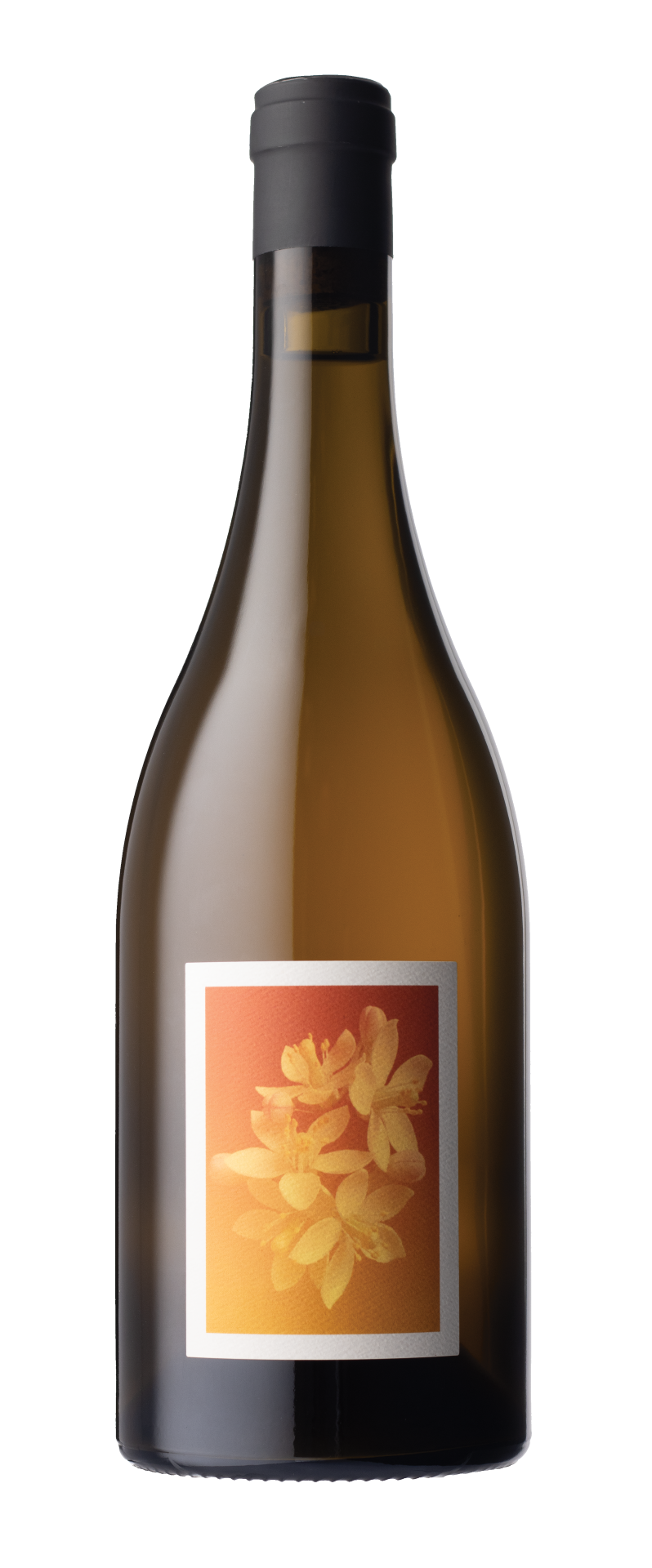
2025 Muscat à Petits Blanc & Semillon ‘L’ambré’
Pedro Ximénez, Semillon and Muscat à Petits Blanc might not be the most obvious trio, but together they speak fluently of the Barossa, combining sunshine, texture and generosity with the lift and perfume of the varieties themselves. This vintage welcomes the addition of a new PX site in Krondorf, bringing depth and savoury weight to the blend while preserving the brightness and aromatic clarity that define the style.
Winemaking
Pedro Ximénez (52%), Semillon (37%), Muscat à Petits Blanc (11%)
Krondorf PX fruit picked and fermented on skins for one month to build texture and weight. Pressed, settled and racked to 60% neutral oak.
Valley Floor Semillon destemmed, wild fermented on skins and macerated for two months. Pressed to tank to settle, then racked to neutral French oak and stainless steel.
44-year-old vine Muscat à Petits Blanc, destemmed and wild fermented on skins briefly before being pressed to neutral French oak and stainless steel.
Blended and cold stabilised one month before bottling. Bottled unfined and unfiltered with minimal sulphur.
Tasting Notes
Fresh yet structured, this is an approachable take on amber wine, offering gentle tannins and a savoury edge. Citrus and tea-leaf notes lead, joined by hints of mango splice, pawpaw and honeydew. The palate walks a fine line between grip and glide, with a textural, chewy and refreshingly clean finish.
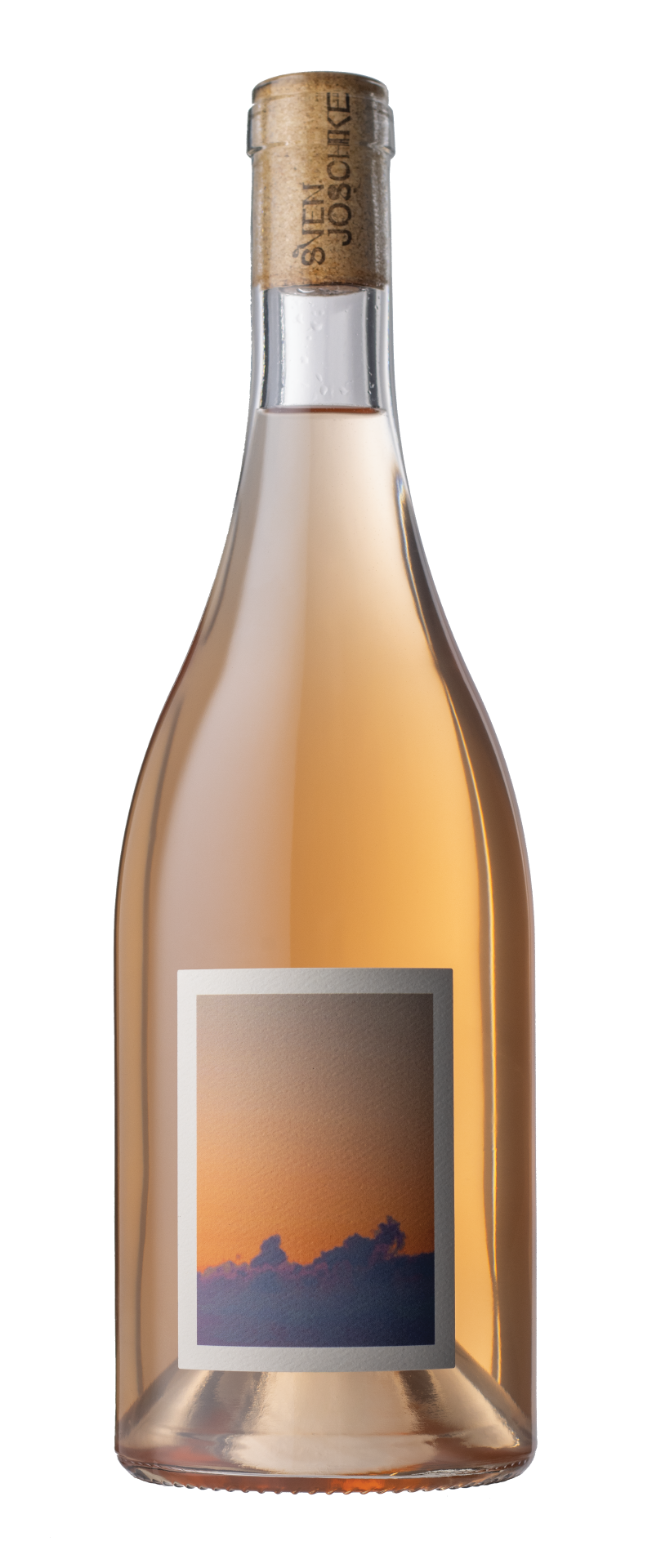
2025 Rosé ‘La Adeline’
A Provençal-inspired rosé that balances structure and freshness. Sourced from organically and biodynamically farmed Stockwell vineyards, the blend of Mataro, Grenache, and Cinsault captures the fragrance and tension of the Barossa’s sandy soils.
Winemaking
Mataro (64%), Grenache (34%), Cinsault (2%)
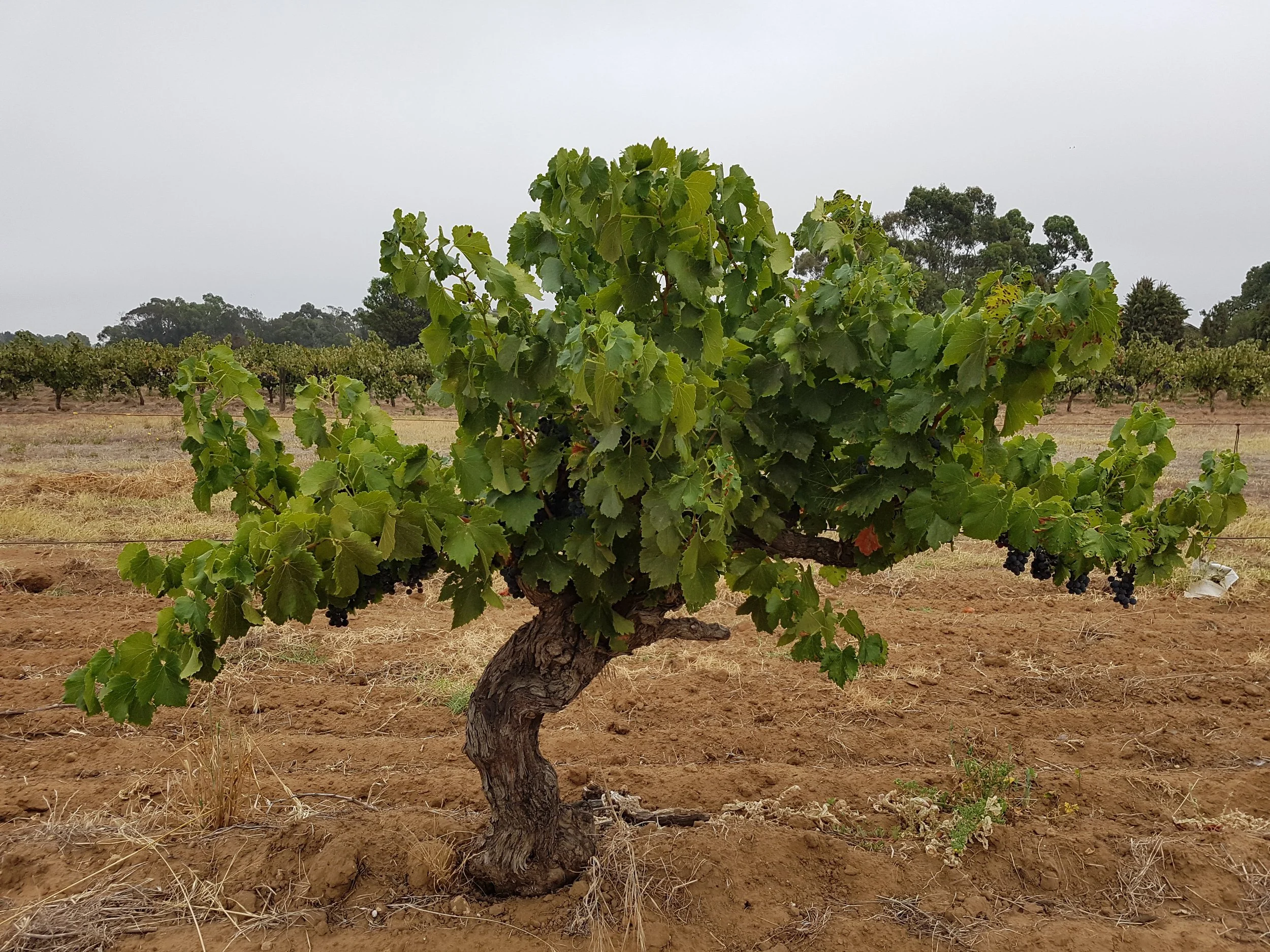
All fruit is sourced from Stockwell vineyards on sandy soils, with sites all within walking distance of each other. The Grenache is farmed organically, while the Biodynamic Cinsault and Mataro (R2V7 clone) are grown using natural sequent farming practices. Average vine age is around 30 years.
Mataro was picked a little riper to provide structure, floral dried herbs and depth. Grenache was harvested leaner to focus the nose, acidity and tension while avoiding confectionary notes. Cinsault contributes mouthfeel and gentle weight.
All parcels were hand picked and processed separately. After destemming, the fruit was immediately pressed and cold settled overnight. Fermentation was part barrel, part tank, all with wild yeast and full malolactic conversion. Once settled, components were racked and gravity fed back into barrel and tank for six months’ maturation.
Tasting Notes
Structured yet textural, with lifted notes of guava, peach and passionfruit pith alongside watermelon and dried Provençal herbs. A savoury, moreish rosé that balances bright fruit and refreshing acidity with subtle weight and length.
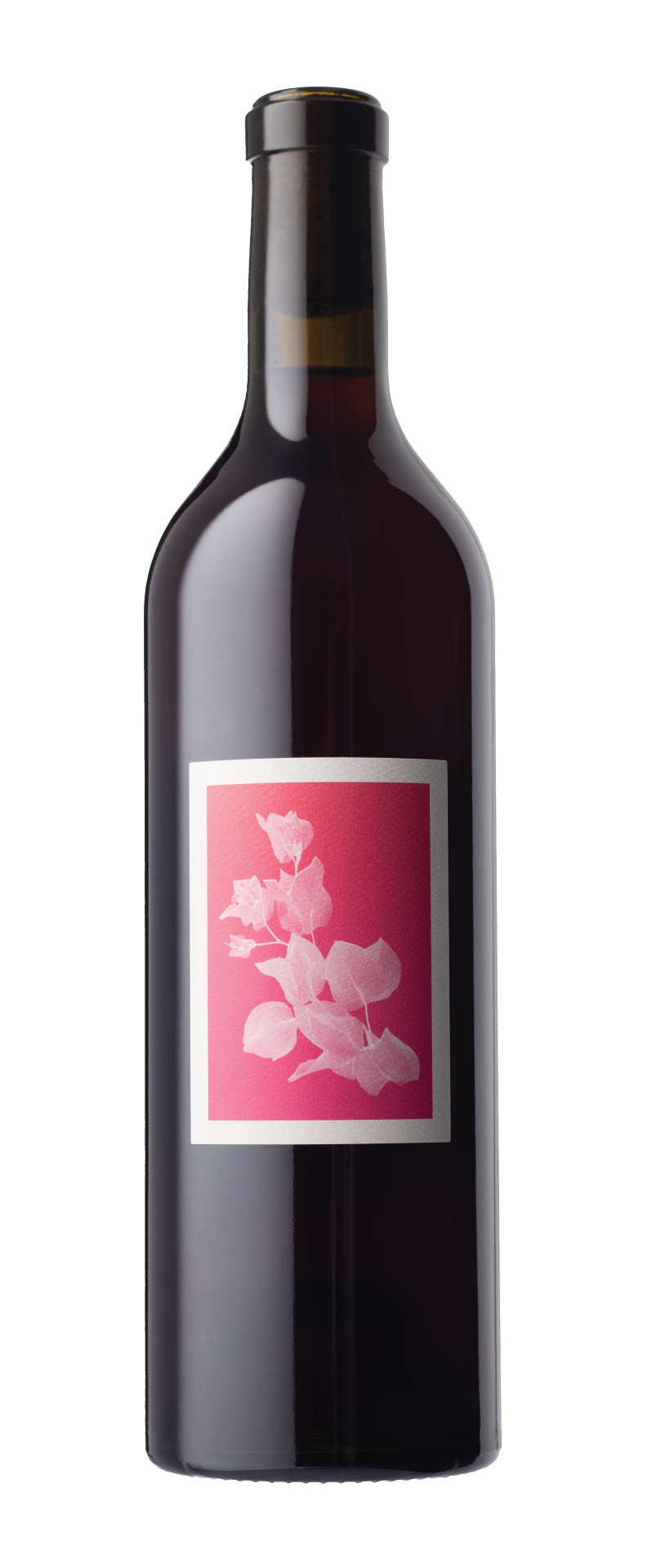
2025 Light Red ‘La Rouge Clair’
Translating literally to “light red,” La Rouge Clair reimagines Barossa Shiraz as bright, energetic and refreshingly drinkable. It’s a modern expression that trades weight for lift, focusing on fruit purity, texture and balance.
Winemaking
Shiraz (100%) – clone 1127
Sourced from 19-year-old vines planted over loam soils in the Barossa Valley, farmed with an emphasis on integrated pest management, mulching and under-vine slashing to maintain healthy, organic-rich soils.
The fruit was picked at 11.5 baume, destemmed and cold soaked for a few hours before being pressed, cold settled and racked to neutral French oak. Barrel fermented, then racked post-malo to tank before being gravity fed back into cleaned barrels for a total of eight months’ maturation.
Blended and cold stabilised one month prior to bottling. Bottled unfined and unfiltered with minimal sulphur.
Tasting Notes
Bright and lifted, showing raspberry, blackcurrant and sour cherry fruit with a whisper of oak spice. The palate is fresh and textural with fine tannins and lively acidity. A crisp, chillable expression of Barossa Shiraz built for summer drinking.
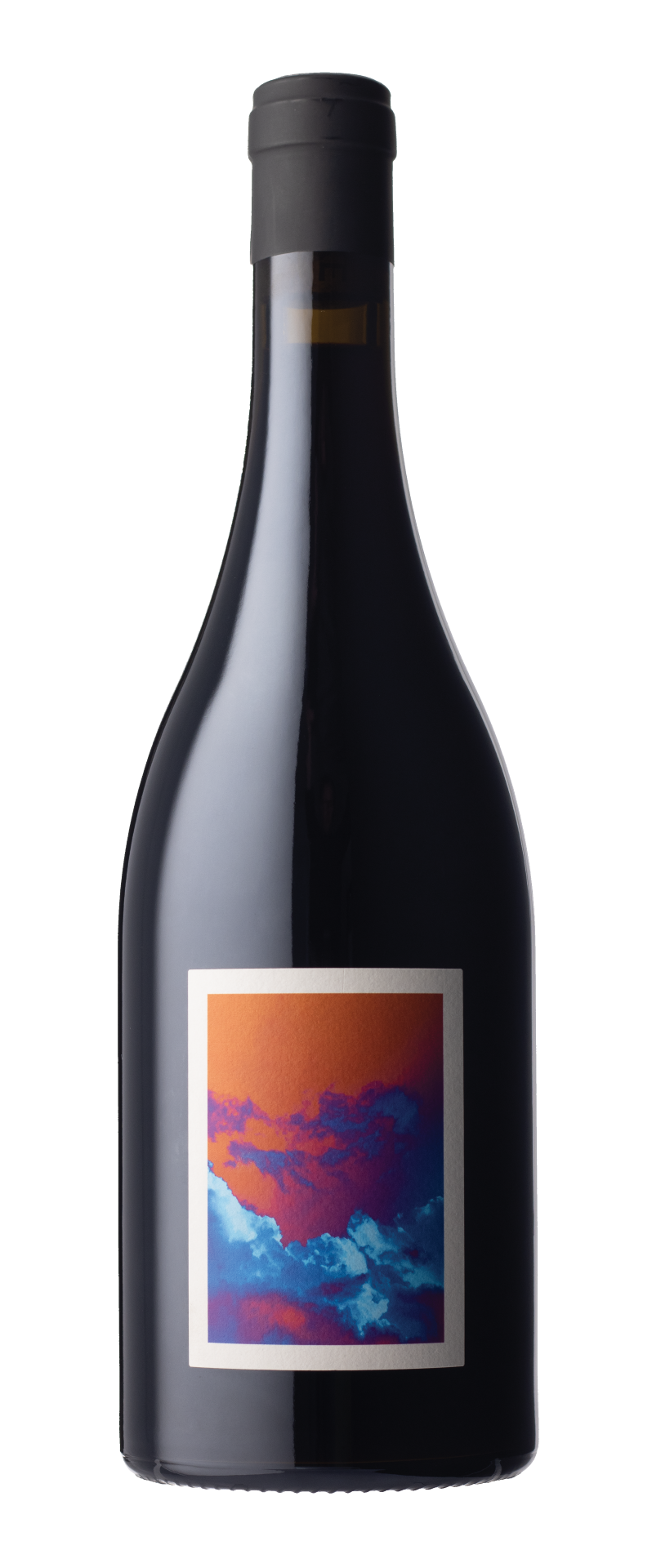
2024 Shiraz / Grenache / Mataro 'Le Rupert’
Le Rupert takes its name from the vineyard owners’ son, who arrived on the scene just as the first parcel of fruit was picked from the reworked Shiraz block. After four years of renewal—removing eutypa-ridden cordons and re-establishing fresh wood and spur positions—the fruit was finally where it needed to be. Each parcel was handpicked at optimum ripeness, destemmed and fermented naturally before being pressed and matured.
Winemaking
Shiraz 50% / Grenache 29% / Mataro 21%. Ferments were kept separate, with 60% of the wine matured in neutral French oak for 16 months. Parcels were blended post élevage to highlight the strengths of each variety.
Tasting Notes
Shiraz drives fruit density and spice, Grenache layers in vibrant raspberry and lift, while Mataro rounds out the blend with dark savoury fruit and earthy depth. A supple, balanced Barossa red with energy and persistence.
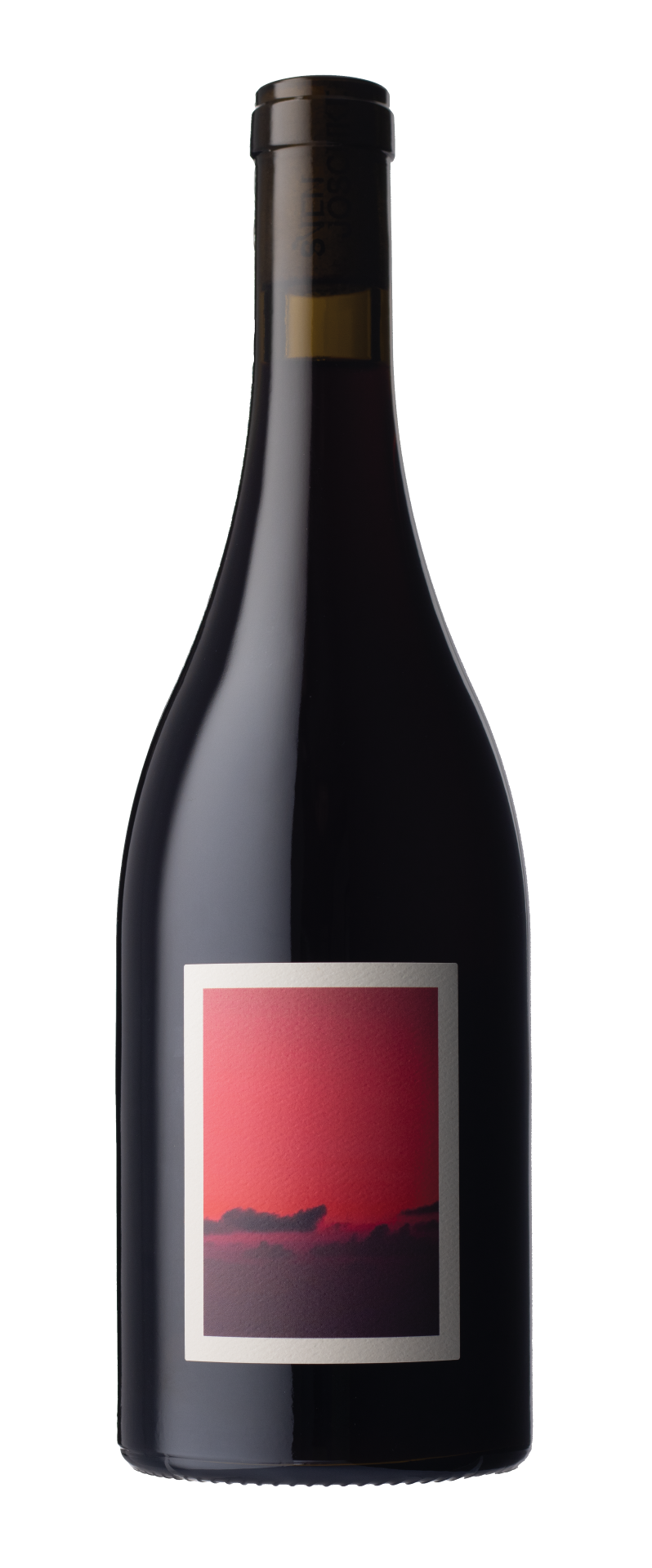
2025 Sangiovese 'La Eleanore’
The inspiration for this wine comes from a dear friend of Drew’s, Eleanore—an Italian fine wine purveyor at Maeve Wine Bar in Brisbane, who first backed the Sangiovese project in 2019. With her name on the label, this wine continues that journey. Langhorne Creek fared well in this vintage, avoiding the extreme heat and drought seen in the Barossa. Fruit was harvested later in the season, with an increased focus on oak integration and parcel separation to capture freshness and lift.
Winemaking
The fruit comes from a single vineyard of 27-year-old Sangiovese vines planted on sandy loam over clay. Farming is conventional, though with growing emphasis on organic principles. Grapes were de-stemmed and fermented in separate parcels using cooling facilities, then pressed when dry. The wine was matured for six months in a mix of 65% neutral oak and stainless steel.
Tasting Notes
The site consistently delivers bright fruit with classic chalky tannins. This release shows glazed cherry, blueberry and blue fruits layered with spice, texture and length. Beaujolais Nouveau–inspired vibrancy meets rustic Italian edges, with dusty, terracotta-like tannins giving structure to a young, fresh, and lively style.
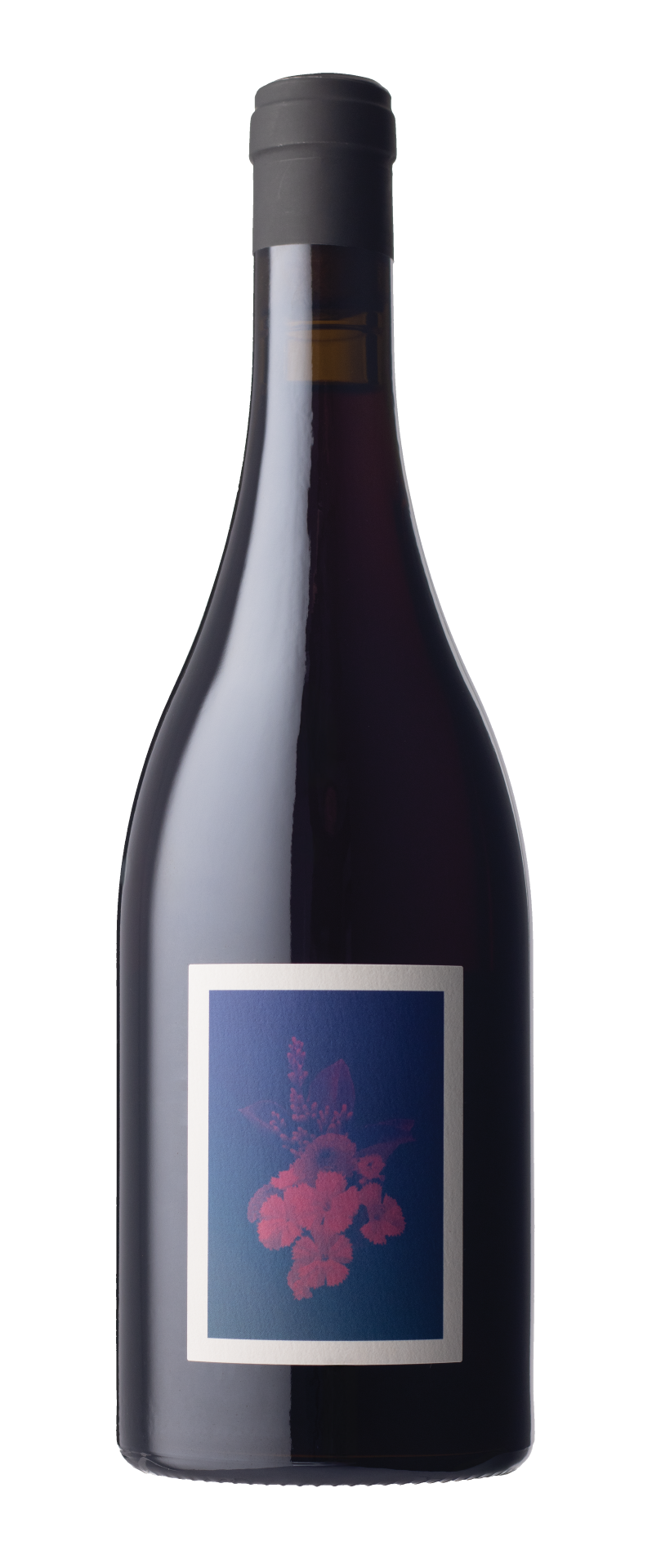
2024 Pinot Noir ‘Le Papounet’
Fruit was sourced from Kaesler’s vineyard in Gumeracha, with 2024 delivering an outstanding season for Hills Pinot—marked by depth, colour, and fine, silky tannins. Handpicked and handled gently to preserve site character, the wine balances vibrant fruit with subtle oak influence.
Winemaking
Fruit was fermented dry on skins with limited pump overs before being pressed and settled in stainless steel. The wine was then racked to four-year-old ex-white barrels, offering refined oak support without tightening wood astringency.
Tasting Notes
Dark cherry and cool-climate spice lead the aromatics, with a deeply fleshy mid-palate of aniseed and cherry fruit weight. Fine, sweet-and-sour tannins drive a long finish. Elegant yet concentrated, ideal with confit duck, duck-fat potatoes, or rich, oozing cheese.

Grenache 'La Gilliana’
After losing his Valley Floor Grenache site in 2020, Sven thought it was impossible to source an equivalently immaculate parcel. Fortunately, Vine Vale’s sandy soils, formerly trellised old vines proved him wrong.
Winemaking
Handpicked and wild fermented with 30% whole bunch, it spent two weeks on skins before being pressed to old oak.
Tasting Notes
Svelte Barossa Grenache, reminiscent of cooler climate versions of this noble variety. Red licorice and red raspberry fruits that play alongside fresh earth characters, mushroom and mellow spices. A very fine and refined Grenache, delicate but plentiful tannins and a wicked freshness about it.
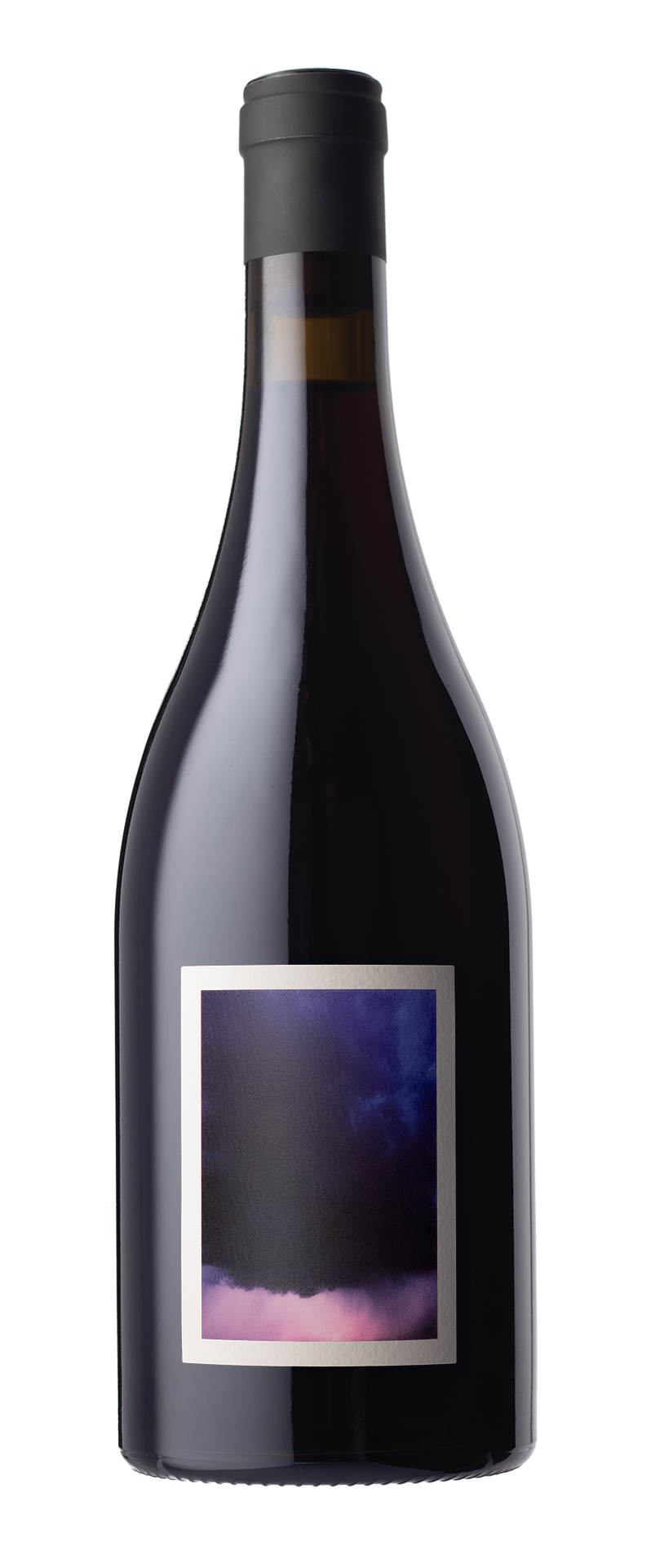
2024 Mataro ‘O’Babis’
A returning favourite, crafted to showcase juicy fruit and unforced charm. Handpicked and fermented wild on whole berries, the wine balances dark fruit depth with spice and freshness.
Winemaking
Fermentation ran for 15 days on skins before pressing to a mix of neutral oak and stainless steel. The approach was kept simple and hands-off, designed to let the vineyard and vintage character shine.
Tasting Notes
Brightly fruited and supple, with dark berry drive, spice lift, and a flowing, easy charm. Juicy and moreish, carrying both freshness and depth in equal measure.
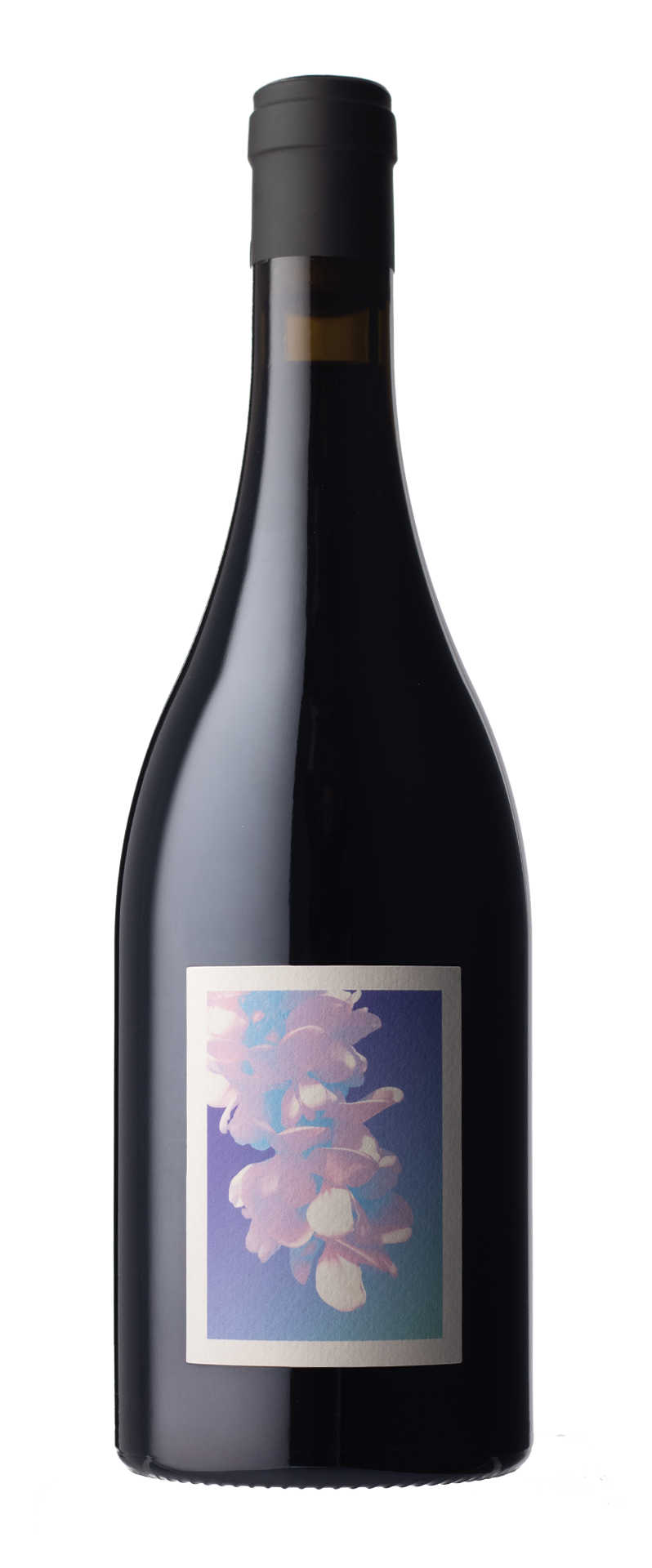
2022 Shiraz ‘Das Klaus’
A lean and approachable Barossa Valley Shiraz. Depth and intensity without over-extraction.
Winemaking
The fruit was sourced from Tommy Schiller’s 25 year old vines in the Barossa Valley. 100% destemmed berries were fermented in stainless steel tank with minimal pump overs and punch downs. Free run was racked at 3 baumé straight to 2 French oak barrels for barrel fermentation, one brand new. Skins were pressed straight to tank and then racked off fine, and lees from the malolactic fermentation were racked off post ferment. It was bottled unfined, unfileter, with inimal sulphur at bottling.
Tasting Notes
A Shiraz of real presence and composure, this is full of the black cherry and blackberry fruits that are a signature of old vine Barossa Shiraz, with Sven’s signature elegance. Not just fruit but licorice, cracked black pepper, game meats and savouriness. A lifted palate with a sturdy frame of acid and tannin. Barossa with more than a hint of the Rhone.
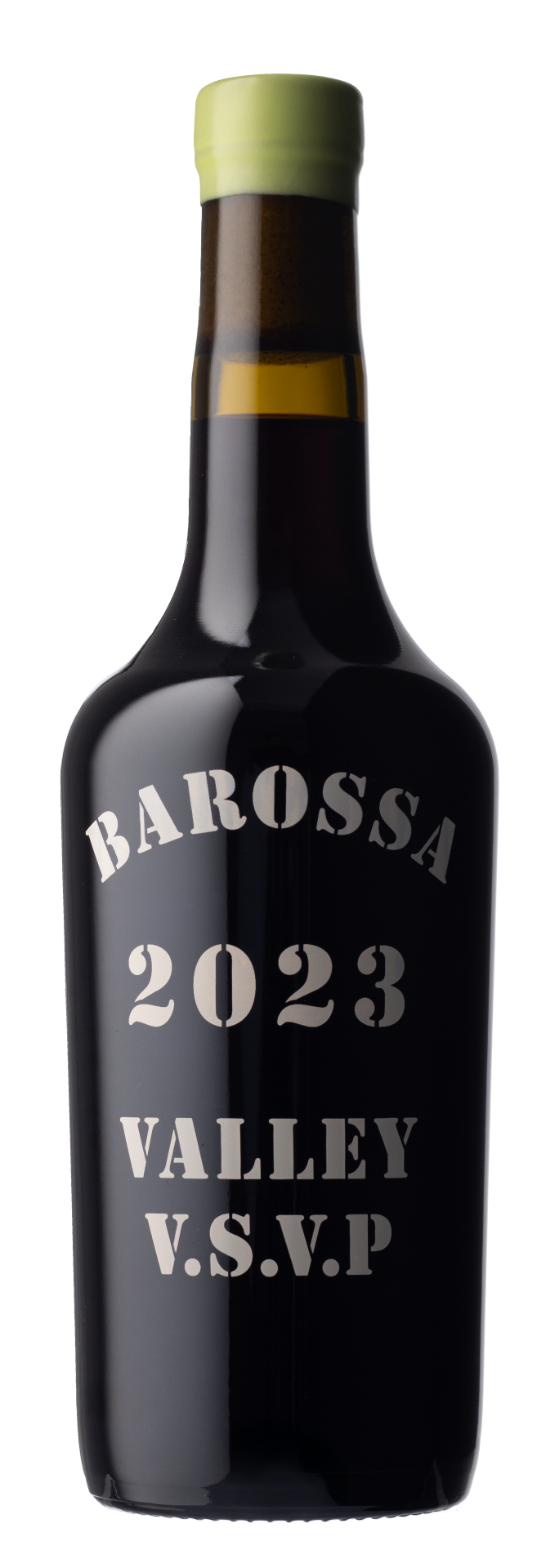
2023 Fortified Syrah ‘V.S.V.P’ 500mL
Taking inspiration from our Portuguese friends, here’s our Barossa take on Vintage Port — affectionately dubbed Very Special Vintage Port.
Winemaking
Early-picked Syrah was spread across three nally bins and foot-stomped twice daily to extract maximum colour and tannin. While we didn’t adopt the traditional lagar approach, Motley Crüe kept the rhythm of the stomp. Fermentation was arrested at 3 baumé with the addition of aged brandy spirit, leaving 52g/L residual sugar. The must was pressed to tank, settled, and bottled shortly after with no fining, filtration, or oak. The result is a complex interplay of savoury and sweet, with liquorice spice, lavender, and violet lift.
Tasting Notes
As the Portuguese do, tuck a bottle away for your offspring’s 21st birthday — but once opened, enjoy it soon after. This is a delicate wine, not a tawny. Otherwise, open it now with a wedge of stinky blue.