


Woodlawn Tasmania
Tamar Valley, Tasmania
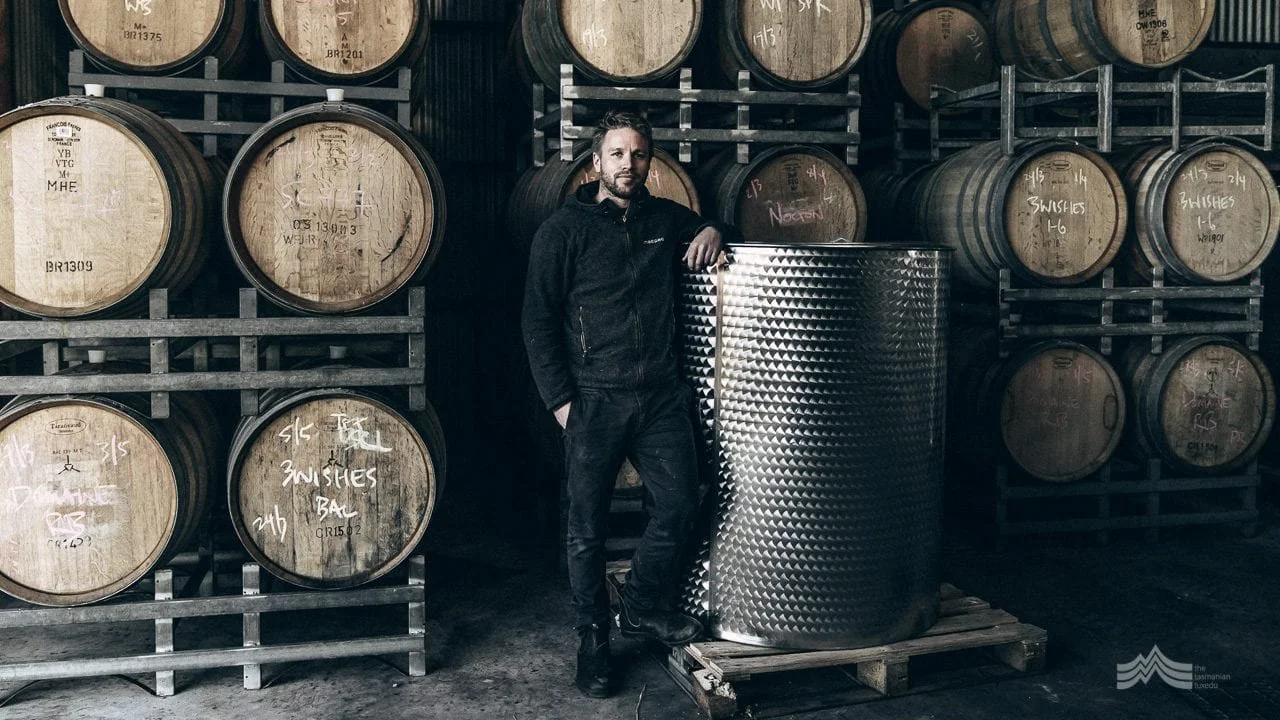
Woodlawn Tasmania is the estate project of Tamar Valley grower–winemaker Ricky Evans. Although Evans is well known for founding the influential Two Tonne Tasmania in 2013, Woodlawn represents the natural evolution of his own farming and vineyards — a more intimate expression of place and craft. The first wines under the Woodlawn label were released in 2021, though several of the vineyards had previously contributed fruit to the Two Tonne range.
Originally from the Tamar Valley, Evans studied oenology at the University of Adelaide before gaining experience across Australia and abroad, including in Napa Valley, the Mosel and Barolo. Returning to Tasmania in 2010, he spent eight vintages at Bay of Fires winery before leaving in 2017 to focus entirely on his own vineyards and winemaking.
Today Evans manages several small vineyard sites in the Tamar Valley, bottled as single-vineyard wines under the Woodlawn banner alongside traditional method sparkling. The estate centrepiece is Woodlawn Park, a four-hectare vineyard planted in 2017 to pinot noir and chardonnay and home to the winery.
Additional sites include the sheltered Three Wishes vineyard and the cooler, elevated Waverley site — a once-abandoned vineyard revived by Evans in 2016.
Across the range, sustainable farming and classical, minimal-intervention winemaking guide the approach, with a focus on purity, restraint and the distinctive character of Tasmania’s Tamar Valley.



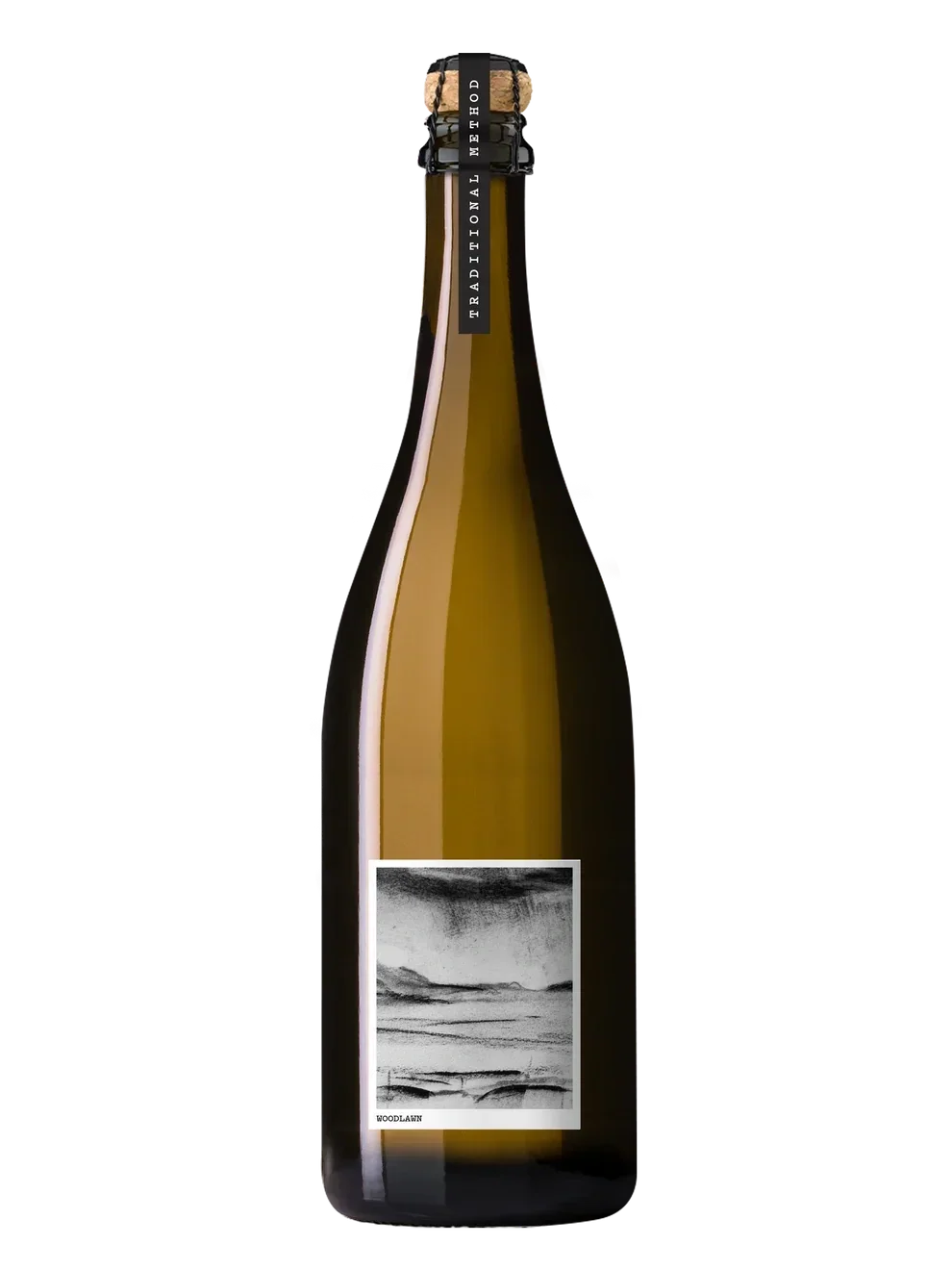
NV Cuvee 241 Traditional Method
Predominantly sourced from 80% Pinot Noir and 20% Chardonnay grown by a selection of local growers, this sparkling wine captures the vibrancy and elegance of the region. It is crafted for an earlier-release style, showcasing the clarity and freshness of the fruit while offering complexity and texture from careful handling.
Winemaking
All fruit was whole-bunch pressed, followed by a slow, cold ferment in tank and six months on lees. The Chardonnay component underwent MLF in tank, adding creaminess and textural depth to complement the spritely acid profile of the Pinot. The parcels were then blended, tiraged, and spent 14 months on lees prior to disgorging with a 4g/L dosage.
Tasting Note
Approachable and elegant, the wine balances complexity from extended lees contact with the bright freshness of the region. Light, expressive, and refined, it serves as a perfect aperitif while hinting at the style of table wines produced under this label. NV release, predominantly from the 2024 base.
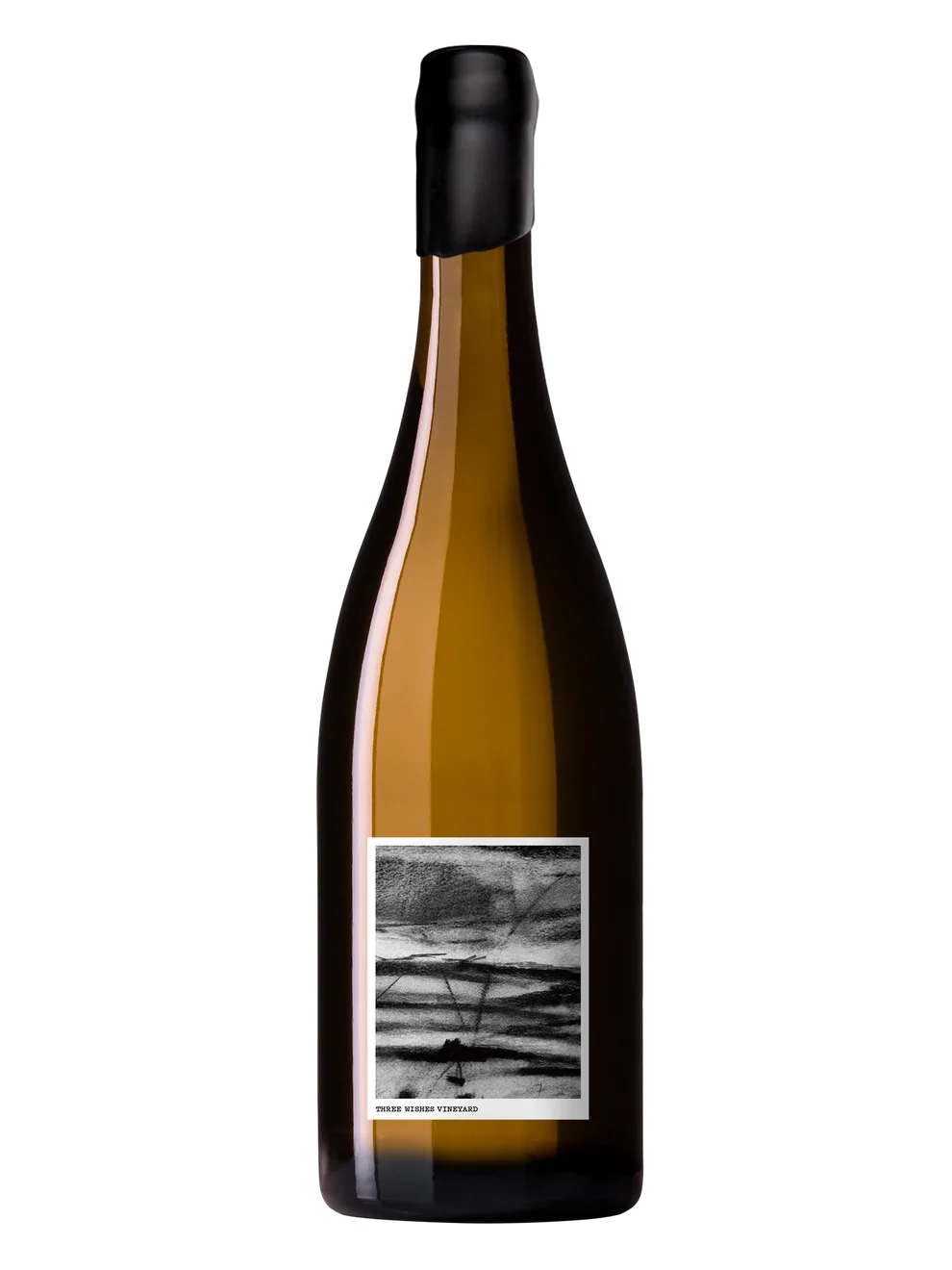
2023 ‘Three Wishes’ Chardonnay
Situated just north of Hillwood on the eastern bank of the Tamar River, this vineyard was planted in 2000 in a small north/north-east facing valley. Sheltered from the northerly winds of Bass Strait and cooled by the nearby river, it provides a warm yet balanced site ideal for Chardonnay. Fruit is picked in two passes, the first capturing nervous energy and tension, the second aiming for texture and breadth.
Winemaking
All parcels are whole-bunch pressed and naturally settled before being run to a combination of French and Austrian puncheons for wild fermentation. Portions of the wine are allowed to undergo MLF, and the wine is matured on full lees in barrel for around 11 months before transfer to tank to rest for a further 4 months.
Tasting Note
Elegant and textural, the wine balances tension and breadth, with bright regional freshness framed by subtle creaminess and depth. A precise and refined expression of this unique Tamar Valley site.
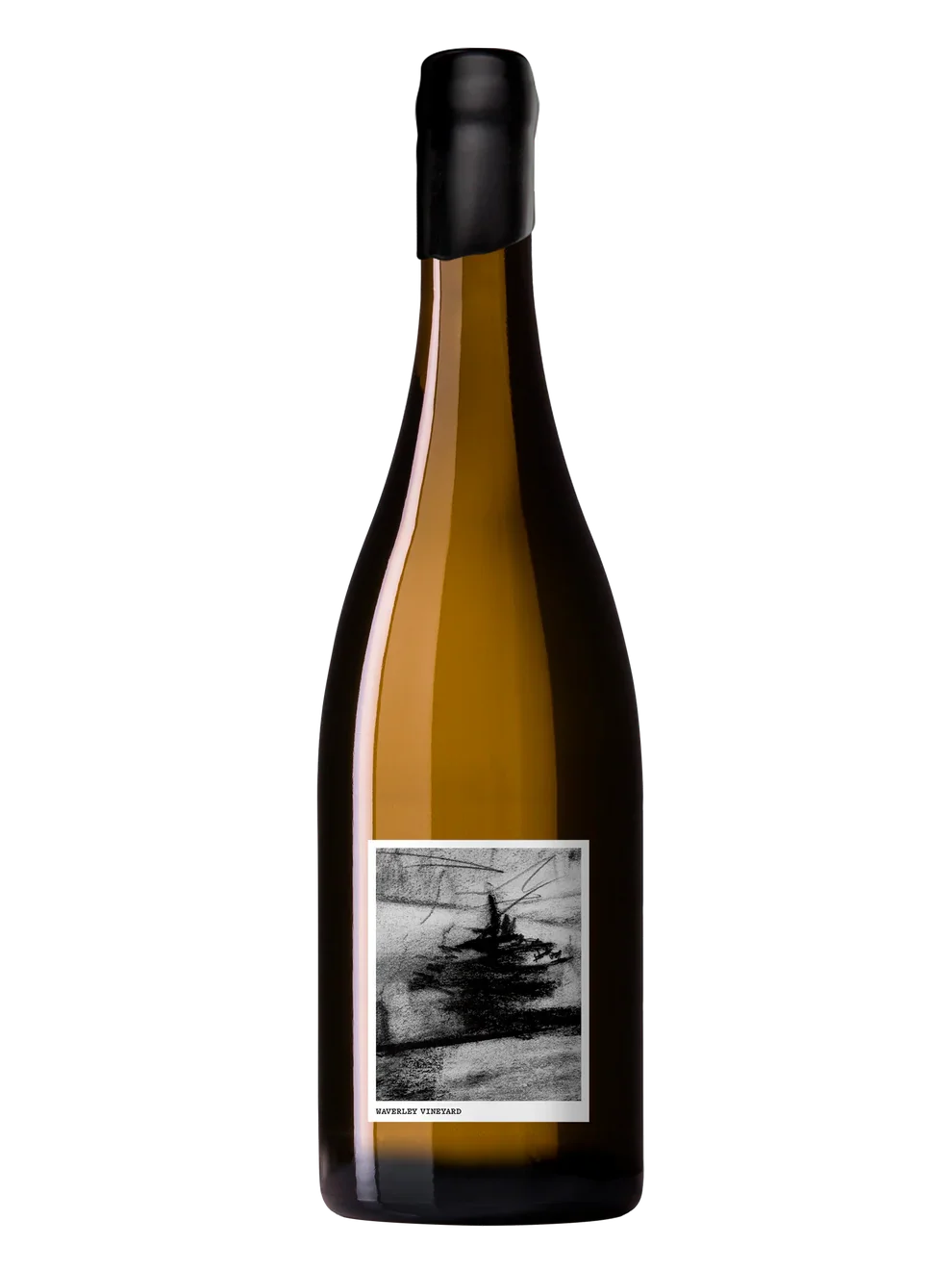
2023 ‘Waverley’ Chardonnay
Situated just east of Launceston, Waverley vineyard occupies a slightly elevated site influenced more by the surrounding mountains than the Tamar River. Planted in 2005, it was taken over by the winery team in 2015 after years of neglect. Early efforts produced very light crops, but the fruit consistently displayed exceptional quality.
Winemaking
This is a very small parcel, with chardonnay that ripens slowly and deliberately, often last of all our sites. The fruit is whole-bunch pressed and sent directly to a mix of French puncheons and barriques for wild fermentation. Portions are allowed to undergo MLF, and the wine matures on full lees in barrel for around 11 months before transfer to tank to rest for a further 4 months.
Tasting Note
Delicate yet textural, the wine combines restrained ripeness with subtle complexity. It is a precise expression of this slow-ripening site, highlighting both freshness and nuanced depth.
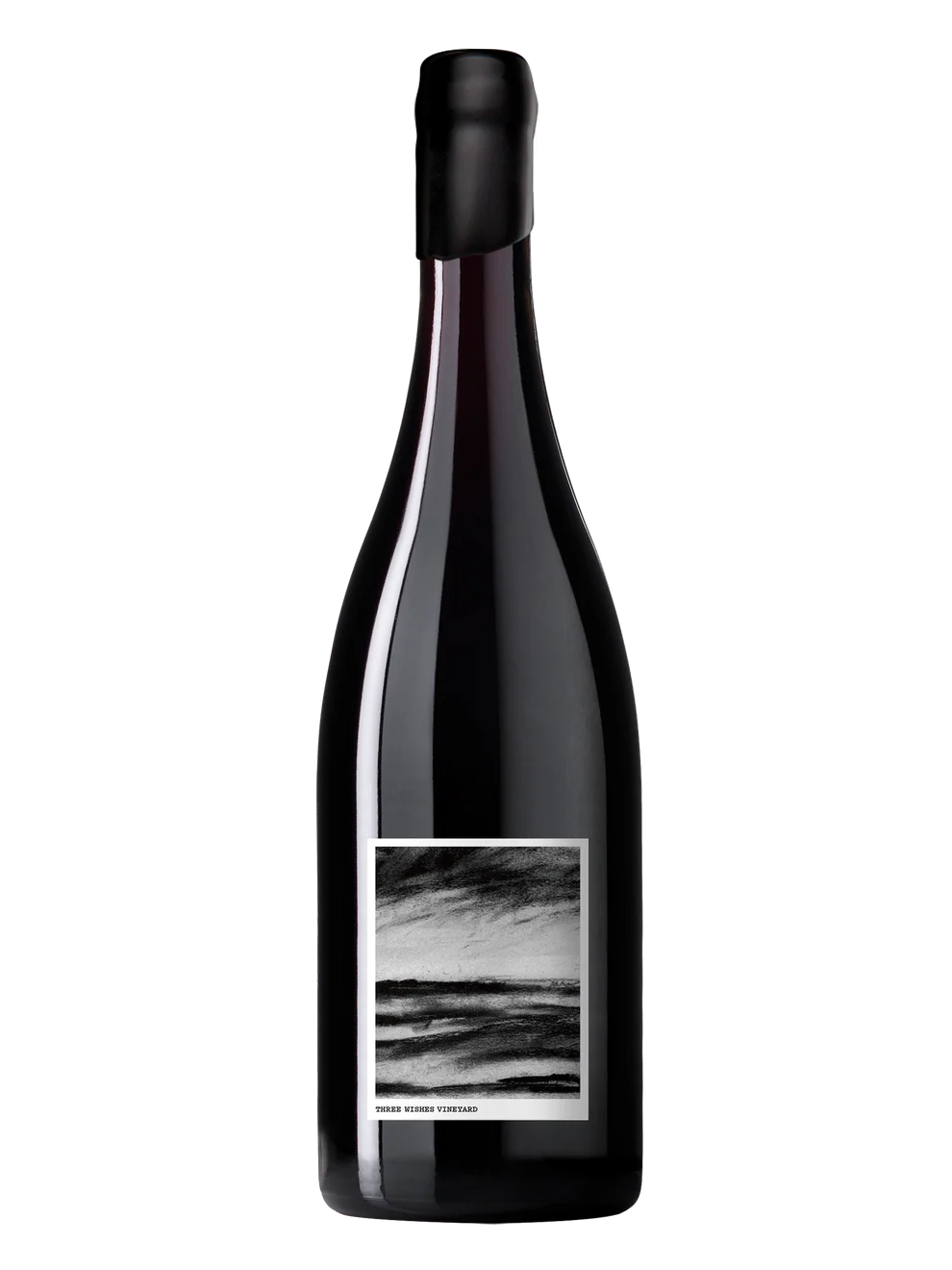
2023 ‘Three Wishes’ Pinot Noir
Established by the Whish-Wilson family, this vineyard is a well-known site in the region, sheltered from the winds of Bass Strait. With its warm north-east aspect and close proximity to the Tamar River, it is the estate’s warmest site. The soils are variable, comprising dolerite and quartzite, contributing to the site’s distinctive character and vine expression.
Winemaking
Planted to MV6 and D5V12, these mature, low-yielding vines produce fruit with concentration and structure. The D5V12 is picked earlier to capture red fruit vibrancy and aromatic lift, while the MV6 is harvested later to provide depth, tannin, and weight. Around 40% whole bunch is included in the ferment to build complexity. The wine is matured for 11 months in French oak, predominantly second and third fill.
Tasting Note
A generous yet composed wine, showing bright red fruits and lifted aromatics layered over a core of structure and depth. Fine tannins and subtle oak influence frame the palate, delivering both perfume and power in balance.
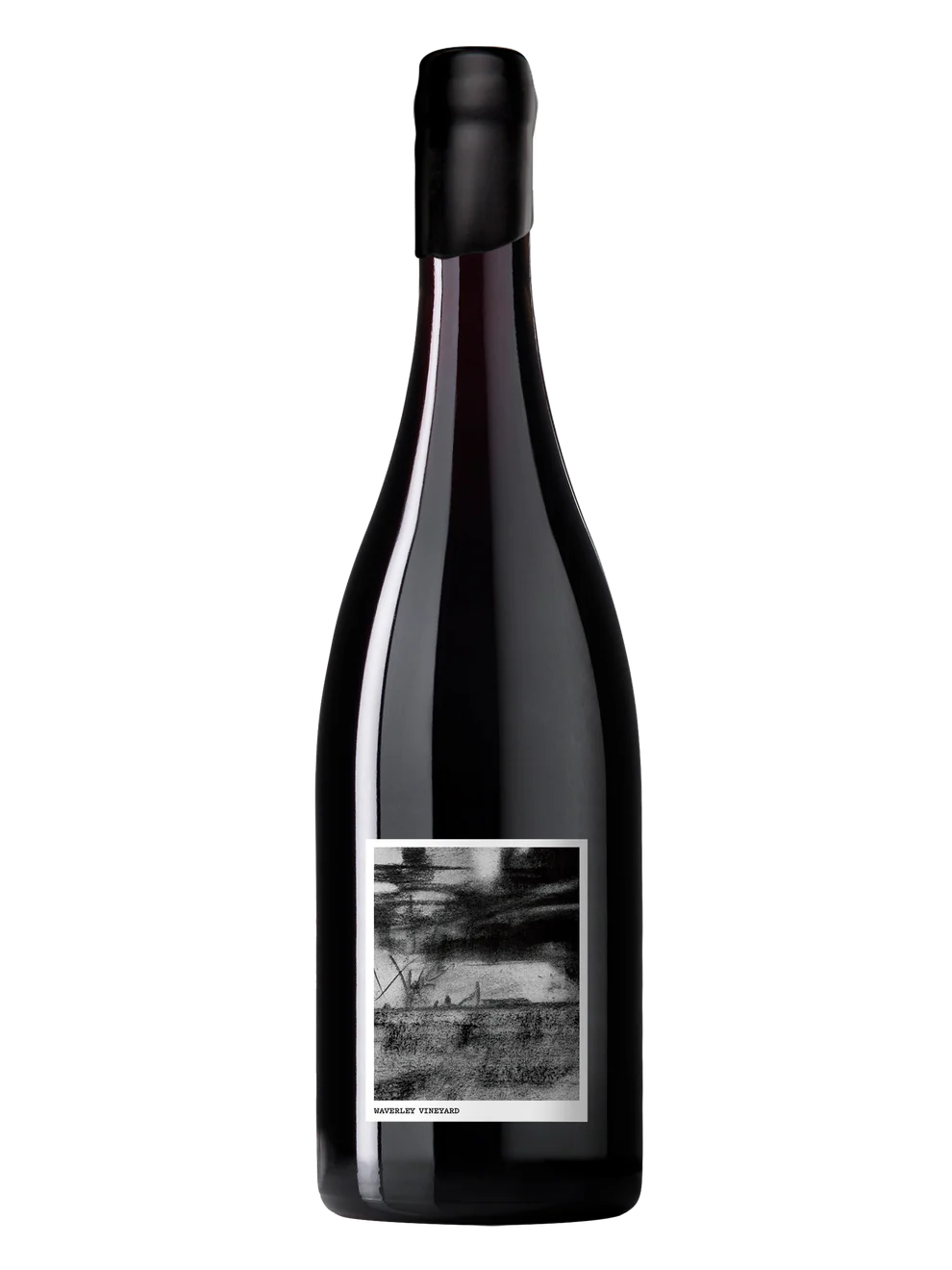
2023 ‘Waverley’ Pinot Noir
Located just east of Launceston, Waverley sits at a slightly higher elevation and is more influenced by the surrounding mountains than the Tamar River. Planted in 2005, the vineyard was taken over by its current custodians in 2015 after a period of neglect. Once derelict, the site has since been carefully restored and is now farmed with close attention to detail, reflecting both its challenges and potential.
Winemaking
A naturally low-yielding site, Waverley is planted to Dijon clones 114 and 115, along with a small parcel of an unknown, late-ripening clone noted for its high acidity. The 114 and 115 are harvested together, while a small section of the mystery clone is left to ripen for an additional week. The earlier pick includes a small portion of whole bunch ferment, while the later pick is fully destemmed. The final blend incorporates around 30% whole bunch and is matured for 11 months in French oak, predominantly second and third fill.
Tasting Note
Perfumed and finely structured, the wine shows bright red fruits, lifted aromatics, and a line of natural acidity that brings freshness and precision. Subtle savoury notes and gentle tannins add complexity, resulting in a poised and expressive wine that reflects both site and thoughtful farming.