


Granite Hills
Macedon Ranges, Victoria
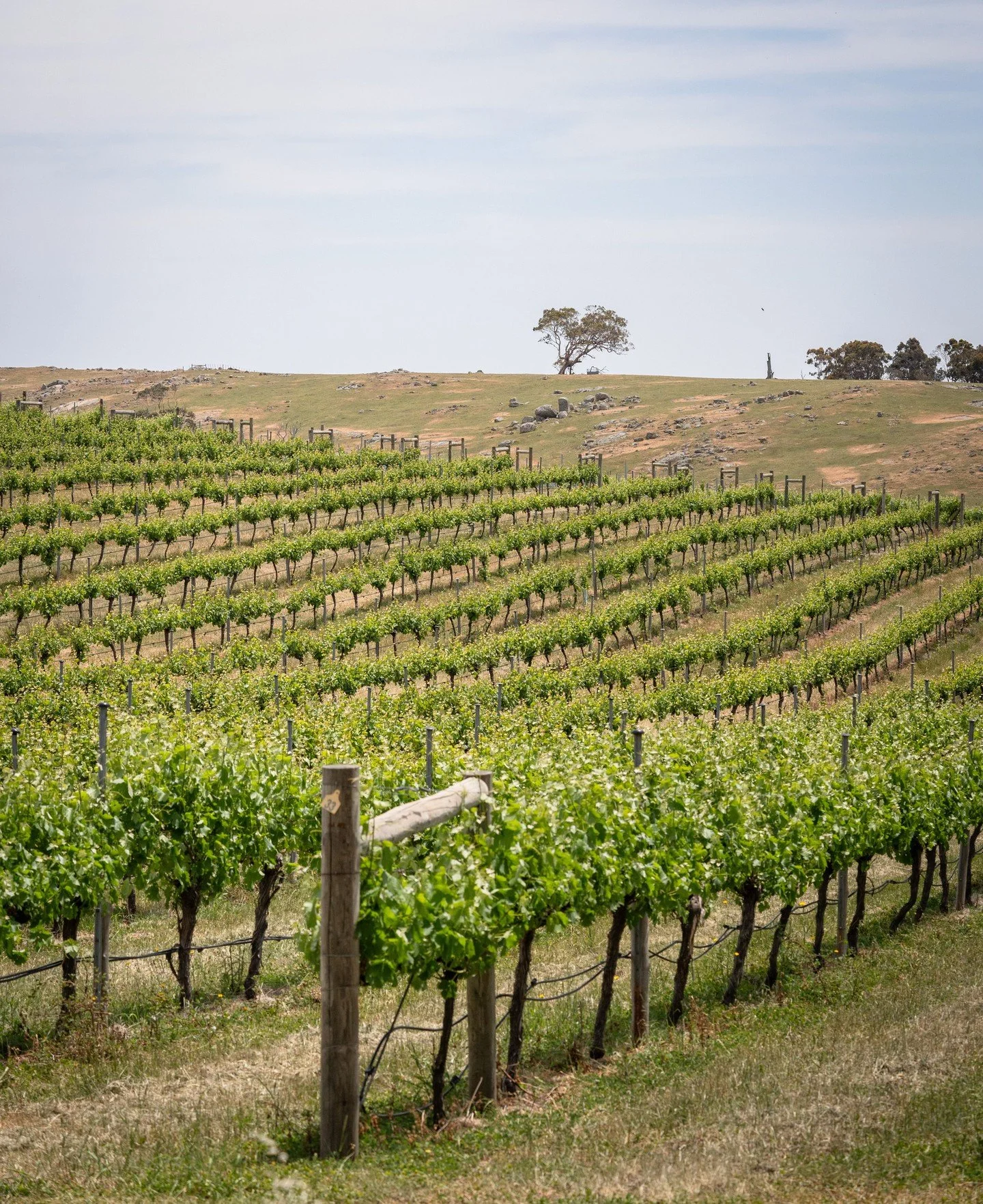
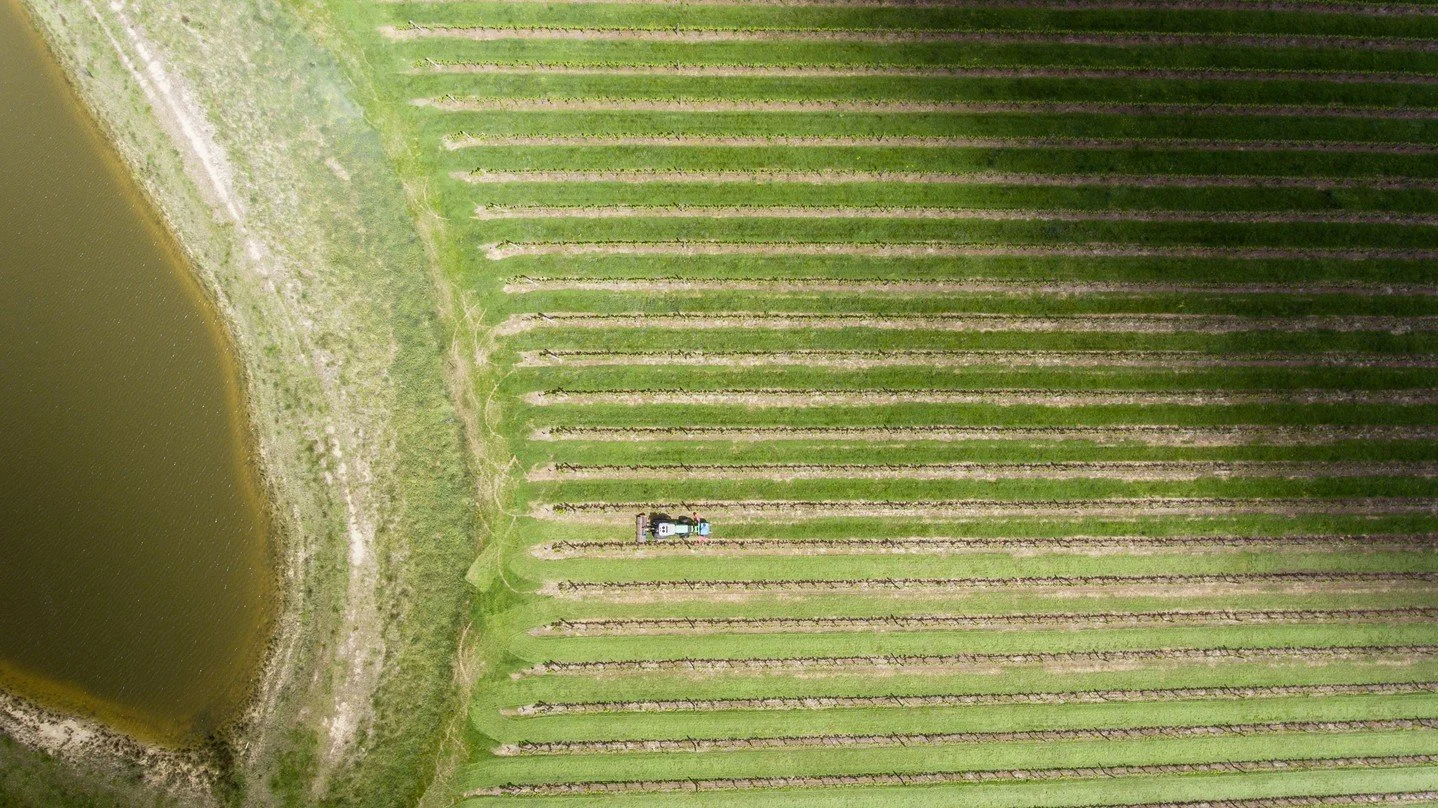
Gordon and Heather Knight established Granite Hills in 1970, one of the seminal vineyards in the Macedon Ranges at the time. To say they were pioneers is no hyperbole. Granite Hills boasts one of Australia’s highest and most picturesque sites – the 12-hectare vineyard is perched high atop the North-east facing part of Victoria’s Great Dividing Range, at 550-metres above sea level.
Their Rieslings have amassed hundreds of accolades for their superb quality and amazing ageing potential. This explains Granite Hills’ timelessness and relevance. Today, their son Llew carries on the family tradition of crafting distinctive award-winning cool-climate wines from a site that has at once been mystifying and challenging to work over the years.
While Riesling rules here, it’s the broad range of aspects this site offers that gives Llew the chance to grow an extensive range of varieties – noble French ones thrive here, along with more recent additions, like Pinot Blanc, Grüner Veltliner and Gamay. The wind-shielded north-northwest sites home the red varieties, while the southern sites see the white varieties flourish. This truly idyllic location provides the best growing conditions, combined with old granitic sandy loam soils with good drainage, for the 50+ year-old vines (the oldest in the region!).
Of course, winemaking only aims to channel the fruit’s vitality, with gentle and slow handling to preserve its natural qualities, and through a traditional, fool-proof maturation process. These wines express the Macedon Ranges’ granitic influence through and through.



2024 Riesling
High altitude and cool night temperatures impart unmatched purity of aroma, flavour and natural acidity to the fruit from their 50-year-old vines. The Granite Hills Riesling is an enduring classic that stands proudly in a long lineage of pioneering wines.
Winemaking
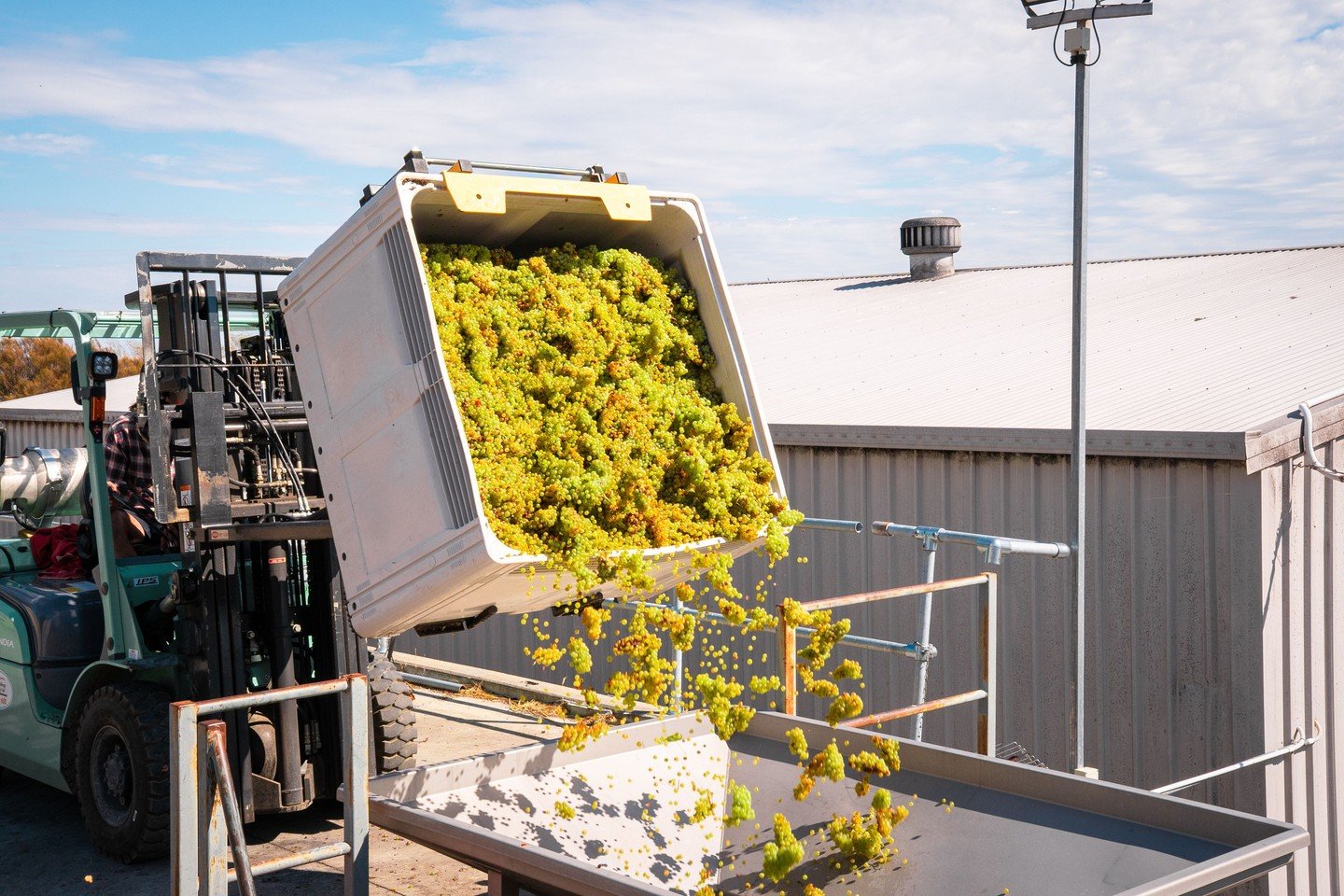
Hand harvesting and hyper protective, gentle winemaking techniques, including airbag pressing and pure stainless steel fermentation, nurture the fruit’s qualities and craft a style renowned for its pristine varietal expression and fine natural acidity, which gives the wine the ability to age and gain even greater complexity with time.
Tasting Notes
Bright floral and minerally driven nose. Pear and apple flavours on a dry light bodied, but nicely intense palate.

2024 ‘1971’ Block Riesling
A small bottling of Riesling made from grapes from the very first block planted at Granite Hills estate vineyard in 1971. This wine is widely recognised as one of Australia's finest cool climate Rieslings. Crafted mainly from free-run juice, this wine bursts with generous finger lime and mineral aromas, leading to a textured palate that finishes with a lingering, crisp acidity.
Winemaking
Hand harvesting and hyper protective, gentle winemaking techniques, including airbag pressing and pure stainless steel fermentation, nurture the fruit’s qualities and craft a style renowned for its pristine varietal expression and fine natural acidity, which gives the wine the ability to age and gain even greater complexity with time.
Tasting Notes
Intense aromatics, including passionfruit, lime, and mineral notes, a dense, concentrated palate, and a long finish emphasised by a keen acid line.
2023 Pinot Blanc
The inspiration to plant a small section of Pinot Blanc came from its affinity for granite soils and cool climates. Famously grown in places like Alsace, which Llew believes shares characteristics with Macedon in terms of terroir, he thought it wise to graft it over a small section of Riesling 8 years ago. It grows in the cooler southwest bank of the vineyard. Llew also picks it to achieve a soft touch of acidity. Long, slow cool ferments allow for the Nashi pear character to balance out those honey suckle characters and green apple characters. This Pinot Blanc showcases the versatility of Macedon and one Llew feels is integral to the range.
Winemaking
Llew chose to plant Alsatian clone 54 and Italian clone VCRS. This is a delicate style Pinot Blanc, more refined than its Alsatian counterpart, since it’s not blended with other varieties, allowing the variety to shine on its own. The fruit was hand harvested and the juice was partly (20%) fermented in barrel, which added to the mid-palate, and stainless steel fermented with moderate lees stirring. Less than 300 dozen is produced each year on average.
Tasting Notes
It has intense aromas and flavours of pear and honeysuckle, complemented by some melon and musk characters, acidity (5.6g) showing great intensity yet balanced by fruit sweetness (only 0.2g of residual sugar) and a generous mid-palate with almond meal texture and flavour. The granitic influence shows through the wine’s stark definition and precision.


2024 Gruner Veltliner
Llew chose Grüner Veltliner for its intriguing qualities and viticultural link with Riesling. The variety’s renowned success in the cool, and granite soils of homeland Austria made it a perfect contender. This is a gastronomic wine gifted with hearty aromatics of stone fruit and a fresh spicy finish. Just 400 dozen are produced every year. This is easily one of the greatest examples of new-world Grüner Veltliner made in Australia and likely Macedon Ranges’ ONLY Grüner Veltliner.
Winemaking
Llew counteracted Grüner Veltliner’s natural herbacious characters with some barrel fermentation, to encourage aeration of the juice and build complexity.
Tasting Notes
The wine is showing its parentage to Savagnin, Gewurtztraminer and Sauvignon Blanc, with tropical notes filling the nose along with crunchy green apple and pear characters. Intense notes of ginger and white pepper stand out on the nose and linger on the palate.
2023 Chardonnay
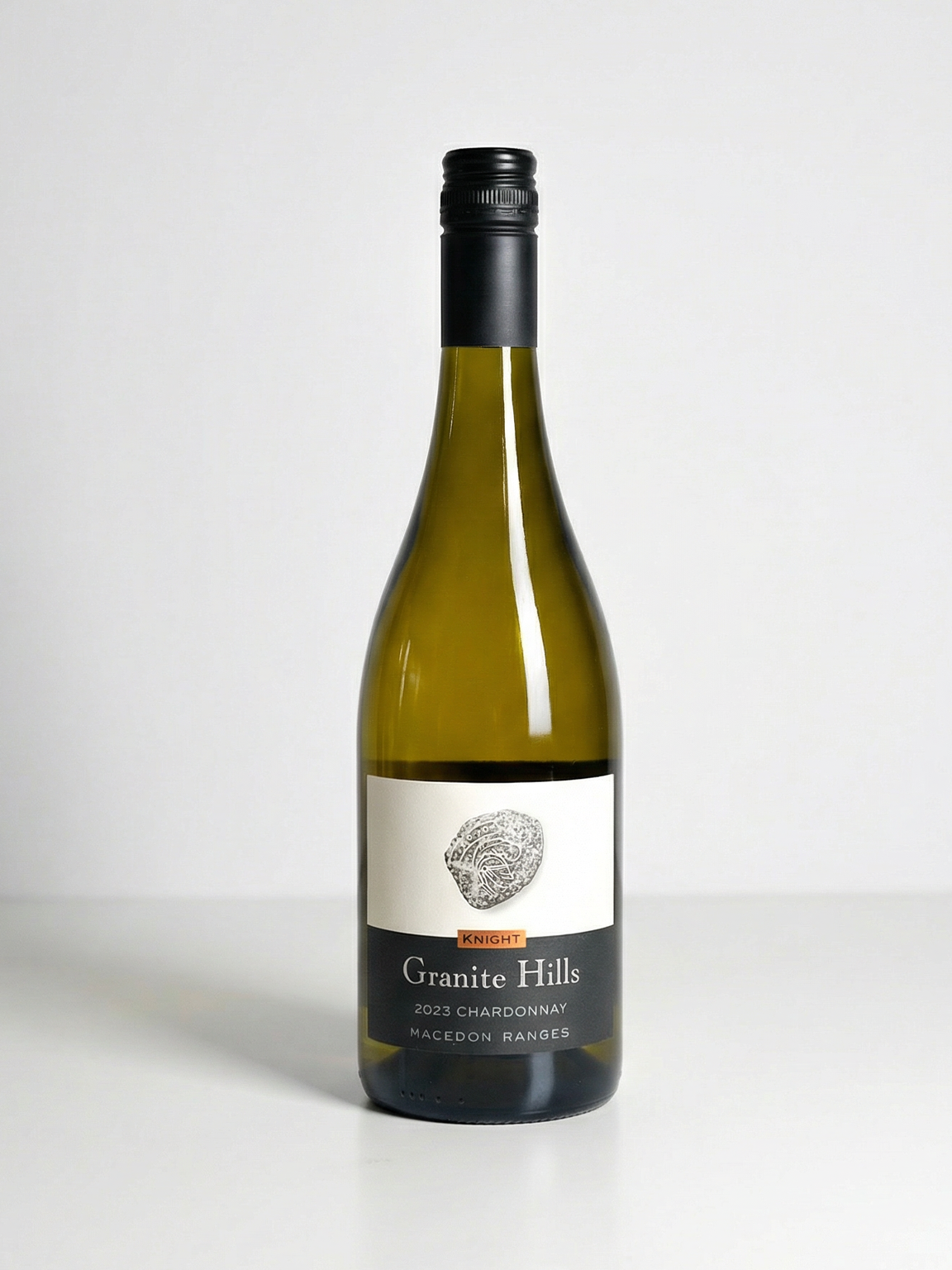
Granite Hill’s Chardonnay is crafted for approachability, balance and vineyard expression. Yield control allows for excellent flavour concentration, while gentle oak and malolactic fermentation bring texture and softness without obscuring varietal purity. This is a versatile, food-friendly Chardonnay that reflects both site and season with clarity.
Winemaking
Fruit was fermented with a portion in barrel to encourage integration and texture. Careful oak selection was used to support, not dominate, the fruit, and malolactic fermentation was allowed to proceed to soften acidity and add subtle creaminess.
Tasting Notes
Bright stone fruit and citrus lead the nose, followed by hints of melon and soft vanilla. The palate is fruit-forward yet balanced, with a creamy mid-palate, gentle oak framing, and a clean, fresh finish showcasing depth and poise.

2023 Gamay Noir
The fruit grows on the north western end of the vineyard, which is also the steepest section. Gamay’s hardy nature makes it ideal for this challenging environment. Llew emphasised that 2023 produced a sleeker, brighter style, compared to the more tannic, bolder Gamays produced in previous years.
Winemaking
The berries are entirely destemmed and allowed to ferment naturally across five barrels, 1 new and 4 old (about 12 months). The wine is fashioned according to cool-climate Swiss examples Llew has experimented with. Clones include 222m 15, RCV12 and BWG19. Less than 200 dozen are made each year. For the first time, a third of the fruit went through carbonic maceration.
Tasting Notes
It has an iridescent medium ruby colour and an inviting bouquet of blackberry, cherry and sweet spice characters. The palate is juicy and fruit-driven. It has fine, glossy tannins and a lively acidity.

2023 Pinot Noir
This estate-grown Pinot Noir is produced each year using fruit from the southern end of the block, the cooler north slope and the warmer east-west section. Clones include MV6, 777, 115, D5V12 and 114.
Winemaking
Some whole bunches are included, but mainly whole berries are used, as Llew believes the combination of the three sites means that whole bunches are not required to build structure. Stems don’t tend to lignify as well in this cool climate. Llew favours light pre-soaking and daily plunges to keep the skins submerged. The wine spends 12 months in French oak barrels, 25% new. Hand-picked on the 8th of April 2022.
Tasting Notes
This is a very elegant Pinot Noir that shows great varietal expression - blackberry, sour cherry and a hint of sweet spice. It has fine, ripe tannins and a very elegant, well-integrated acid line that runs far.

2018 Merlot Blend ‘Right Block’
‘Right Block’ refers to the area where all the Merlot and Cabernet Franc are planted, plus a few rows of Cabernet Sauvignon. Thanks to the Easterly facing slope, this site receives the morning sun but slightly less afternoon sun. It’s on the sight of an old Lucerne paddock. Interestingly, wines from the Right Bank in Bordeaux are generally Merlot predominant.
Winemaking
This wine is a blend of Merlot (54%), Cabernet Franc (38%) and Cabernet Sauvignon (8%) made from hand harvested grapes grown on low-cropping 50-year-old vines, utilising small pot fermentation, followed by maturation in French and American oak barrels for three years. The wine always gets held for at least five years before release to build complexity.
Tasting Notes
“It has an aromatic lift of violets, blackberry and sweet spicy oak. The palate is bright textural sweet ripe fruit, soft seamless tannin finish.” Llew Knight, Granite Hills

2018 Cabernet Blend ‘Left Block’
This wine is a classic Bordeaux-style blend of Merlot (54%), Cabernet Franc (38%) and Cabernet Sauvignon (8%), grown on an east-facing slope of Granite Hills. The vineyard’s aspect captures gentle morning sun while avoiding harsher afternoon heat, encouraging aromatic lift and refined structure. The result is a poised, expressive wine with perfume, balance and elegance.
Winemaking
Each variety was harvested and vinified separately to preserve its individual character. Careful blending was used to achieve balance between fruit, structure and aromatics, with maturation tailored to enhance complexity while maintaining freshness and varietal definition.
Tasting Notes
Lifted red and black fruit aromatics lead the nose, with notes of cherry, plum and subtle herbal tones. The palate is medium-bodied and finely structured, showing supple tannins, bright acidity and a lingering, savoury finish with hints of spice and graphite.

2019 Shiraz
From the first vintage in 1978, the Granite Hills Shiraz has set a benchmark for white peppery Shiraz, renowned for its definitive flavour, balance, structure and ability to age gracefully.
Winemaking
The vines sit at the warmer south-south western end of the block.
Made in a Northern Rhône Syrah style, Gordon planted the variety not only for its popularity, but also its affinity with the granite soil present in the area. The grapes are fully destemmed and the juice is fermented in open fermenters, and hand plunged. The wine spends two years on barrels, 90% French (10% new) and 10% American oak.
Tasting Notes
The palate is rich, mouth filling, well balanced and complete with classic white pepper, blueberry, and blackberry fruit characters. It finishes long, with a final grip of fine tannins and persistent black and blue fruit flavours.